Comprehensive Guide to Identifying the Finest Organic Pet Food Brands
What Characteristics Define a Genuine Organic Pet Food Brand?
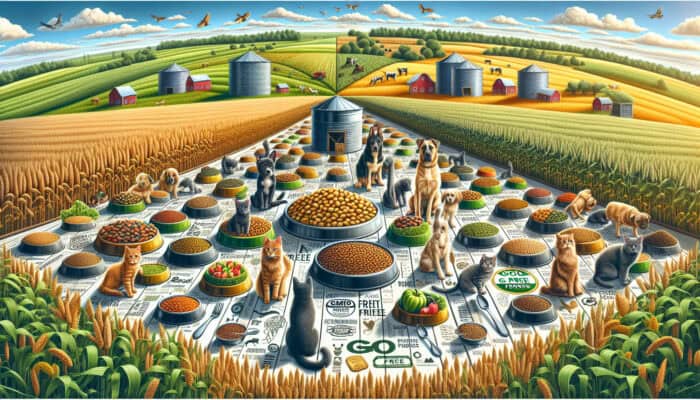
When evaluating organic pet food brands, it is essential to recognise that these brands comply with strict standards that ensure their products are devoid of synthetic pesticides, chemical fertilizers, and genetically modified organisms (GMOs). This stringent certification process guarantees that all ingredients are sourced naturally, cultivated without harmful substances, and embody a commitment to natural pet nutrition. Key quality indicators encompass transparent ingredient sourcing, strict adherence to organic farming practices, and compliance with established certification protocols. Prominent organisations that validate these organic claims include:
- USDA (United States Department of Agriculture)
- Australian Certified Organic (ACO)
- European Union Organic Certification
- Canadian Organic Regime (COR)
These organisations play an integral role in assuring that products meet the rigorous criteria necessary for organic labeling, thereby bolstering consumer trust and confidence in their purchase decisions.
What Health Advantages Are Associated with Choosing Organic Pet Food?
Selecting organic pet food offers substantial health benefits for your pets by significantly reducing their exposure to harmful synthetic additives and chemicals. Organic options frequently lead to improved digestion and enhanced vitality due to the use of pure, wholesome ingredients. Such dietary adjustments can result in healthier coats, increased energy levels, and overall improved wellness in pets. Furthermore, these sustainable farming practices also contribute to environmental conservation, ensuring a healthier planet for future generations of both pets and humans. By opting for organic, pet owners are consciously making choices that positively affect not only their cherished animals but also the environment.
What Essential Features Characterise Organic Brand Formulations?
Many organic pet food brands concentrate on creating nutrient-dense recipes that prioritise whole, natural foods while deliberately avoiding fillers and low-quality ingredients. These formulations aim to provide balanced nutrition tailored to the specific dietary needs of pets at various life stages. Notable highlights of ingredient selections typically comprise high-quality proteins, wholesome grains, and nutrient-rich vegetables, all of which are crucial for promoting overall health and wellness in pets. By emphasising these premium ingredients, brands can ensure that pets receive optimal nutrition necessary to support their growth and well-being.
Which Organic Pet Food Brands Come Highly Recommended for Your Pets?

How Do Various Organic Brands Differ in Quality?
When analysing organic pet food brands, a comprehensive comparison based on purity and effectiveness reveals notable discrepancies. Critical factors to evaluate include the integrity of ingredient sourcing, rigorous testing protocols for contaminants, and the overall transparency of the brand's practices. Brands that engage in independent testing or openly share their ingredient sourcing methods stand out, empowering pet owners to make informed choices regarding their furry companions' nutrition. Understanding these critical elements can guide pet owners to select high-quality organic options that resonate with their values while meeting their pets’ health requirements.
What Essential Criteria Should Guide Your Organic Brand Selection?
When choosing an organic pet food brand, pet owners must assess several key factors, including the nutritional balance of the formulations and the brand's safety record. It is crucial to ensure that the selected options cater to the unique needs of your pet, taking into account their age, breed, and any dietary sensitivities or allergies. Practical evaluation tips include meticulously scrutinising ingredient lists, researching brand reputations through customer reviews, and consulting with veterinarians to help you make well-informed choices that meet your pet's dietary requirements.
What Current Trends Influence the Popularity of Organic Brands?

Current trends in the organic pet food market indicate a growing consumer preference for brands that highlight eco-friendly packaging and health-focused formulations. Consumers are increasingly attracted to attributes such as ethical sourcing and sustainable practices within ingredient lists. This shift towards conscientious consumerism significantly influences market expansion, as pet owners seek products that not only deliver nutritional benefits but also have a positive environmental impact. Recognising these trends can assist pet owners in aligning their purchasing decisions with their values regarding health and sustainability.
Which Organic Pet Food Brands Are Most Highly Recommended?
Among the most esteemed organic pet food brands are Nature's Variety and Honest Pet, both renowned for their unwavering commitment to high-quality ingredients, strong customer satisfaction, and notable industry accolades. Forety offers formulations suitable for various types of pets, while Honest Pet is celebrated for its transparency and emphasis on wholesome, nutritious ingredients. Recommendations based on specific pet types can effectively guide pet owners to suitable options, ensuring that individual dietary needs are adequately met.
What Should You Understand About the Cost and Availability of Organic Brands?
The pricing strategies of organic pet food brands can vary significantly, often reflecting the quality of ingredients and manufacturing processes involved. While costs may be higher compared to non-organic alternatives, the long-term health advantages of organic diets can lead to considerable savings on veterinary expenses over time. Accessibility is improving as more retailers offer organic options; savvy consumers can uncover deals and bulk-buying opportunities, making these products more affordable without compromising on quality. Understanding pricing and availability can empower pet owners to make well-informed decisions regarding their pets' nutrition.
Expert Perspectives on the Best Organic Pet Food Brands
What Successful Case Studies Showcase for Organic Brands?
Successful organic brands are demonstrating remarkable improvements in pet health outcomes through rigorous testing and quality control measures. For example, brands that implement comprehensive ingredient sourcing protocols often report significant enhancements in pets’ vitality, coat health, and overall digestion. Expert analyses of these outcomes reveal substantial long-term effects, guiding pet owners towards making informed dietary choices that positively impact their pets' well-being. These success stories serve as invaluable resources for those contemplating a transition to organic options.
What Steps Should You Follow for Effective Brand Evaluation?
To ensure optimal pet nutrition, pet owners can adopt several practical steps when evaluating organic food brands. Begin by checking product labels for organic certification, confirming that all ingredients comply with organic standards. Consulting with veterinarians regarding specific dietary needs and verifying brand reputations through customer reviews can provide critical insights into the authenticity and effectiveness of the products under consideration. By adhering to these steps, pet owners can cultivate a more informed approach to their pets' nutrition.
What Strategies Are Effective for Trustworthy Reviews?
Interpreting user feedback and expert endorsements can yield essential insights into brand performance. Effective strategies for reliable evaluation include focusing on consistent praise regarding taste and health benefits while being cautious of overly critical reviews that may not accurately reflect genuine experiences. Key indicators of trustworthiness often encompass transparent ingredient sourcing and positive testimonials from both pet owners and veterinarians. By enhancing your understanding, pet owners can make better decisions regarding their choices in organic pet food brands.
Key Ingredients to Consider When Choosing Organic Pet Foods
What Function Do Natural Additives Serve in Pet Nutrition?
Natural additives in organic pet foods significantly enhance both flavour and nutritional value without the harmful chemicals typically associated with conventional brands. These additives can bolster pets' immunity, promote healthy skin and coats, and improve overall wellness. By enriching the recipes with these additives, the food’s profile is enhanced, encouraging pets to enjoy their meals, ultimately leading to better eating habits and healthier outcomes. Understanding the role of these natural additives empowers pet owners to make informed choices about their pets' diets.
What Are the Fundamental Base Ingredients Commonly Found in Organic Brands?
The foundation of organic pet food formulations typically comprises base ingredients like grains and proteins, which provide essential energy and nutrients. High-quality protein sources, such as chicken, lamb, or fish, often serve as the primary ingredient, while wholesome grains like brown rice or oats offer easily digestible carbohydrates. Common nutrient sources frequently include:
- Brown Rice
- Oats
- Chicken Meal
- Sweet Potatoes
These ingredients contribute to balanced diets, ensuring that pets receive all vital nutrients necessary for their growth, energy, and vitality.
How Do Ingredients Affect Pet Health and Well-Being?
The types and quality of ingredients in pet food can profoundly influence pets' energy levels, overall health, and disease resistance. For example, sufficient protein intake is crucial for muscle development and recovery, while healthy fats provide sustained energy and contribute to a shiny coat. The support of various ingredients can result in well-functioning diets that bolster immune function, digestion, and vitality throughout a pet's life. Understanding these dynamics empowers pet owners to choose the best options for their furry friends.
Why Is Organic Certification Significant in Pet Food?
Organic certification plays a crucial role in ensuring that pet food ingredients are sourced and processed without synthetic pesticides or fertilizers. This verification process confirms the purity and safety of the food, minimising the risk of toxin exposure for pets. Furthermore, organic farming promotes sustainable agriculture, benefiting the planet and creating a healthier environment for pets and their owners. By recognising the importance of organic certification, pet owners can make more informed choices regarding their pets' diets.
What Innovative Ingredients Are Present in Today’s Organic Pet Foods?
Emerging trends in organic pet food formulations feature the incorporation of innovative ingredients like superfoods. Ingredients such as blueberries and turmeric offer antioxidant and anti-inflammatory benefits that can enhance pet immunity and promote overall vitality. These modern additions enrich traditional recipes, providing a broader nutrient profile while ensuring compliance with organic standards, making them more appealing to pets. Recognising these innovative ingredients can assist pet owners in seeking out the best dietary options for their cherished companions.
How to Select the Perfect Organic Brand for Your Pet
What Key Considerations Should Inform Your Brand Selection?
When selecting the ideal organic pet food, it is essential to consider your pet's unique needs and requirements. Take into account factors specific to your pet, such as age, breed, or existing health conditions. Researching brands through customer feedback and expert recommendations fosters transparency, guiding you towards well-informed choices that cater to your pet's individual dietary needs. By carefully weighing these factors, pet owners can ensure they choose the best possible nutrition for their furry companions.
Why Is Understanding Nutrition Labels Critical for Pet Owners?
Nutrition labels on pet food packaging provide essential information that aids in preventing overfeeding and promoting optimal health outcomes for pets. These labels often offer insights into a food's origin, content, nutritional composition, and other significant details. Learning to decode these labels enables pet owners to make informed decisions regarding portion control and nutritional balance, ultimately leading to healthier pets. A thorough understanding of nutrition labels can greatly enhance your ability to select appropriate food for your pet.
What Potential Drawbacks Should You Be Aware of Regarding Some Organic Brands?
While many organic pet food brands provide high-quality products, some may face challenges with inconsistencies in ingredient sourcing or formulation. Identifying red flags, such as vague ingredient lists or a lack of transparency regarding sourcing practices, can help pet owners avoid potential pitfalls. Researching multiple brands can assist in maintaining the highest standards of quality. Being aware of these potential drawbacks empowers pet owners to make more informed choices concerning their pet's nutrition.
Research-Backed Advantages of Organic Pet Food
What Do Studies Reveal About Health Improvements from Organic Diets?
Research indicates that organic pet foods can significantly reduce allergy risks and associated health issues in pets. Controlled trials demonstrate positive outcomes, including improved skin conditions and fewer gastrointestinal problems among pets that transitioned to organic diets. These findings highlight the importance of considering preventive measures for pet health, providing actionable steps for owners seeking to enhance their pets' overall well-being.
What Long-Term Benefits Can You Expect from Feeding Organic Food to Pets?
Integrating organic pet food into a pet's diet can yield long-term health benefits, such as enhanced joint health and increased longevity. Expert analyses suggest that high-quality ingredients and the exclusion of harmful additives contribute to overall wellness, making it essential for pet owners to reflect on how these foods fit into their pets' daily routines for optimal health outcomes. Recognising these long-term benefits can motivate pet owners to select organic options for their cherished companions.
How Do the Advantages of Organic Pet Food Justify Its Costs?
While organic pet foods may carry a higher price tag, the long-term benefits frequently justify the investment. Reduced veterinary visits due to fewer health issues can result in substantial savings over time. Here are some cost-saving strategies for pet owners contemplating a transition to organic:
- Buy in bulk to reduce expenses.
- Monitor sales and promotions.
- Join loyalty programmes at pet stores for additional savings.
- Consider homemade organic meals as a budget-friendly option.
Implementing these strategies can help maximise health benefits while keeping costs manageable, allowing pet owners to provide the best for their pets without financial strain.
Insights from User Reviews and Ratings of Organic Brands
What Do Users Typically Report About Brand Performance?
User reviews often highlight vital aspects of brand performance, such as taste and effectiveness. Many pet owners report positive experiences with increased energy levels and improved coat health after transitioning to organic brands. However, it is vital to analyse common praise and criticism to set realistic expectations regarding the efficacy of various organic pet foods. With this information, pet owners can make more informed choices based on collective experiences.
What Trends Are Noted in Rating Systems for Pet Foods?
Rating systems within the pet food industry reflect the consistency and quality of organic brands. As consumer preferences evolve, these systems adapt to include more detailed assessments, emphasising attributes such as ingredient quality and sustainable sourcing practices. Understanding how these ratings evolve can aid pet owners in making informed decisions in a rapidly changing marketplace. Staying updated on rating trends enhances the decision-making process for pet owners seeking the best organic options.
How Should You Interpret Mixed Feedback on Brands?
Mixed feedback on organic pet food brands may indicate inconsistent quality or varied customer experiences. To discern genuine insights, pet owners should focus on consistent themes in reviews while remaining cautious of outlier opinions. Red flags to monitor include:
- Inconsistent claims about ingredient sourcing.
- Reports of digestive issues among pets.
- Lack of transparency in nutritional information.
- Frequent recalls or safety concerns.
Identifying these indicators can help pet owners make informed decisions that enhance their pets' health and well-being.
What Are the Compelling Reasons to Transition to Organic Pet Food?
What Are the Environmental Benefits of Organic Foods for the Planet?
Transitioning to organic pet food promotes sustainability and diminishes environmental waste. This practice counters harmful agricultural methods that degrade soil quality and encourages actions detrimental to the environment, preserving the future for all living beings.
How Does Organic Food Simplify Daily Pet Care Routines?
Organic pet food simplifies daily care routines by minimising potential health issues associated with synthetic additives. Cleaner ingredients often lead to fewer digestive problems and allergic reactions, allowing pet owners to enjoy a more seamless and rewarding experience when feeding their pets. This dietary improvement strengthens the overall bond between pets and their owners, as healthier pets typically display more vitality and joy in their daily lives.
What Are the Compelling Motivations for Transitioning to Organic Pet Food?
Numerous compelling reasons drive pet owners to shift to organic options, including enhanced energy levels and reduced exposure to harmful additives. Emphasising these motivational factors can encourage others to contemplate the myriad benefits of organic food for their pets' health and overall well-being. By sharing personal experiences and successes, pet owners can inspire others to make similar choices for their furry companions.
Best Practices for Storing and Maintaining Organic Pet Food
What Are the Best Storage Practices for Organic Pet Food to Preserve Freshness?
To maintain the freshness and nutritional value of organic pet food, store it in cool, dry locations. Using airtight containers can significantly extend shelf life and preserve quality. This method ensures that pets receive maximum benefits from their meals, ultimately enhancing their health and enjoyment of food. By implementing proper storage techniques, pet owners can protect their investment in high-quality organic products.
What Routine Checks Should You Perform to Ensure Brand Quality?
Conducting regular checks on stored organic pet food can prevent spoilage and ensure optimal freshness. Monitoring for signs of texture changes or unusual odours is crucial for maintaining food quality and safeguarding your pet's health. Establishing a routine of inspecting food helps ensure your pet consistently consumes nutritious meals.
What Sustainable Practices Are Effective for Long-Term Use of Organic Pet Food?
Incorporating rotation and portion control into feeding routines can help sustain the benefits of organic pet food over time. Establishing a systematic approach to ensure accurate and consistent measurements aids in maintaining quality while guaranteeing your pet receives the essential nutrition they need. This proactive strategy not only supports your pet's health but also minimises waste, making it an environmentally conscious choice.
Frequently Asked Questions About Organic Pet Food
What Are the Primary Advantages of Organic Pet Food for Pets?
Organic pet food offers numerous advantages, including reduced exposure to harmful additives, improved digestion, and enhanced overall health, all of which contribute to a pet's well-being and vitality.
How Can I Verify a Brand's Organic Status?
To confirm whether a brand is genuinely organic, look for certifications from recognised organisations such as the USDA, examine ingredient sourcing thoroughly, and read labels to ensure compliance with organic standards.
Is Organic Pet Food More Expensive Than Conventional Options?
Yes, organic pet foods generally carry a higher price tag due to the premium quality of ingredients and sustainable practices involved. However, the long-term health benefits frequently justify this investment.
What Should I Focus on When Examining Pet Food Labels?
When scrutinising pet food labels, prioritise high-quality protein sources, the absence of fillers, and transparent ingredient sourcing. Nutritional balance and certification logos are also crucial indicators of overall quality.
Can Switching to Organic Food Improve My Pet's Health?
Many pet owners report noticeable health improvements, including better digestion and increased energy levels, after transitioning to organic ingredients and cleaner formulations.
How Can I Find Deals on Organic Pet Food?
To save on organic pet food, keep an eye out for sales, subscribe to store newsletters, join loyalty programmes, and consider bulk-buying for additional savings.
Is It Safe to Mix Organic and Non-Organic Pet Food?
It is generally advisable to transition gradually, as sudden changes can upset your pet's digestion. Mixing organic and non-organic foods may result in inconsistencies in nutrition.
What Are Common Ingredients Found in Organic Pet Food?
Common ingredients in organic pet food include high-quality proteins, wholesome grains, and nutrient-rich vegetables, all carefully selected to be free from synthetic additives.
How Frequently Should I Check Pet Food for Freshness?
Regular checks are essential to ensure that food remains fresh, safe, and free from spoilage, thus protecting your pet's health and well-being.
What Long-Term Benefits Can I Expect from Feeding My Pet Organic Food?
Long-term benefits of feeding your pet organic food include reduced health issues, improved vitality, and potentially lower veterinary bills due to better overall health and well-being.
Join our community on Facebook!
The Article Organic Food Brands Review for Pets: Essential Guide First Published On https://elgatoencasa.com
The Article Organic Food Brands for Pets: A Must-Read Review Guide Was Found On https://limitsofstrategy.com