Master Your Buy Now Pay Later Debt Management with This Comprehensive Guide
What Essential Characteristics Define Buy Now Pay Later Debt Solutions?

Buy Now Pay Later (BNPL) schemes offer a convenient way for consumers to acquire goods and services without immediate payment, allowing them to spread the cost over a designated period. Key features of these solutions encompass flexible repayment terms, which can vary from a few weeks to several months, and the typical absence of traditional interest rates throughout the repayment phase. Nonetheless, it’s crucial to be aware of potential late payment penalties, as these can result in hefty fees and interest charges. Effectively managing these financial arrangements is essential for individuals who opt for this payment method, as it helps to alleviate unexpected financial strain and fosters better financial health.
How Do Buy Now Pay Later Providers Navigate the Financial Landscape?
BNPL providers usually determine eligibility by reviewing a user’s credit profile, often requiring minimal information to speed up the transaction approval process. The payment model enables consumers to divide the purchase amount into manageable instalments, with some options allowing for a delay in the initial payment. This streamlined process caters to a diverse range of consumers, offering accessible credit solutions. However, the flexibility of BNPL also heightens the risk of overspending if not monitored carefully, emphasising the importance of adopting responsible financial practices to avoid falling into debt traps.
What Are the Consequences of Missing Payments in BNPL Schemes?
Failing to make payments in BNPL schemes can trigger significant financial consequences. Common issues include:
- Late fees that can accumulate quickly, compounding the existing debt burden.
- Interest rates that may be activated following missed payments, substantially increasing the overall debt amount.
- Adverse effects on credit scores, which can limit future borrowing possibilities.
- The potential for debt to spiral out of control, negatively impacting overall financial health and stability.
What Proactive Strategies Can I Implement to Consolidate My Buy Now Pay Later Debts?

What Preliminary Actions Should I Take to Start the Consolidation Process?
To kick off the journey of consolidating your BNPL debts, begin by evaluating your total outstanding balances across all providers. Collect statements and payment schedules to gain a comprehensive understanding of your financial responsibilities. With this information in hand, consider various consolidation alternatives, such as personal loans or debt management plans. Seeking advice from local financial advisors can also provide customised guidance based on your unique circumstances, enabling you to make educated decisions that align with your financial objectives.
What Effective Techniques Can I Use to Merge My Various Debts?
Numerous popular strategies exist for consolidating debts, including transferring balances to credit cards that feature lower interest rates or obtaining a personal loan to pay off multiple BNPL accounts. Each of these methods presents distinct advantages, such as potentially reduced monthly payments or a more streamlined repayment experience. Furthermore, many local banks and credit unions offer specialised products designed specifically for debt consolidation, facilitating easier management of your financial commitments and helping you stay on top of your payments more effectively.
When Is It Advisable to Explore Debt Consolidation Options?
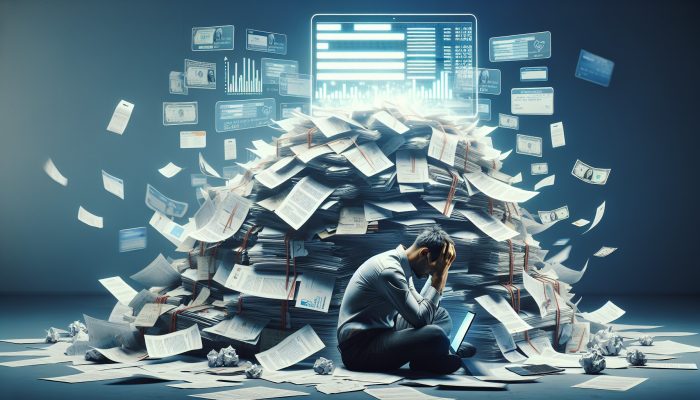
The decision to consider debt consolidation depends on a variety of factors, including the total amount of debt, prevailing interest rates, and your overall financial stability. If you notice that repayments are becoming increasingly difficult to manage or observe rising fees due to missed payments, it may indicate that the time has come to think about consolidation. Regularly assessing your financial condition is essential in determining the most suitable timing for such a significant decision, allowing you to take proactive steps in managing your debts effectively.
Expert Recommendations for Successfully Consolidating Buy Now Pay Later Debts
What Guidance Do Experts Offer for Assessing My Eligibility?
Experts advise that you commence your consolidation efforts by thoroughly checking your credit score and evaluating your eligibility for various consolidation options. Many individuals have effectively used personal loans to combine their BNPL debts, thus benefiting from lower interest rates. Consulting with local financial advisors can offer insights specifically tailored to your profile, increasing your chances of obtaining beneficial products that align with your financial aspirations.
What Approaches Can I Use to Negotiate More Favourable Terms with Lenders?
When negotiating with lenders for better consolidation terms, emphasise your financial stability and a solid repayment history. Effective strategies include presenting proof of consistent income and demonstrating a commitment to responsible financial management. In the UK, many consumers have successfully negotiated lower fees or interest rates by proactively and transparently communicating their needs to lenders, significantly enhancing their chances of achieving positive outcomes.
What Long-Term Advantages Can I Gain from Professional Financial Guidance?
Collaborating with financial experts can provide numerous long-lasting benefits, particularly in reducing the risk of future debt challenges. Experts often recommend practical strategies to maintain financial health following consolidation, such as:
- Establishing and adhering to a comprehensive budget that corresponds to your income.
- Building an emergency fund to handle unforeseen expenses that may arise.
- Regularly assessing financial goals and adjusting plans as needed to ensure you stay on track.
- Constantly monitoring your credit scores to observe your progress over time.
What Significant Benefits Can I Anticipate from Consolidating My Debts?
How Does Debt Consolidation Streamline My Monthly Payment Process?
Debt consolidation simplifies your monthly payments by merging multiple obligations into one single payment. This method alleviates the mental burden of tracking various due dates and diminishes the stress associated with managing multiple creditors. By concentrating on a singular payment, budgeting becomes significantly more straightforward, ensuring you remain aligned with your financial commitments and responsibilities without feeling overwhelmed by the process.
What Potential Savings Can I Realise with Reduced Interest Rates?
Consolidating BNPL debts may result in considerable savings on interest payments. By shifting existing debts to a loan or credit card that features a lower interest rate, consumers can reduce their overall borrowing costs. For instance, if you consolidate your BNPL debts with a personal loan offering a lower interest rate than the cumulative rates of your existing debts, you can save money over time while also significantly simplifying your repayment process.
Is Debt Consolidation a Viable Solution for All Debt Levels?
Debt consolidation is not a universal solution; its appropriateness depends on various factors, including the total amount of debt and the corresponding interest rates. For individuals with manageable debt levels, consolidation can provide relief and streamline payments effectively. However, those grappling with excessive debt may require more comprehensive financial strategies to regain control over their financial situation, highlighting the need for a personalised approach to debt management.
Research-Backed Techniques for Successfully Consolidating Buy Now Pay Later Debts
What Research Supports Effective Strategies for Debt Consolidation Planning?
Studies demonstrate that individuals who engage in systematic planning during the debt consolidation process tend to achieve better results. Effective techniques include setting clear financial goals and consistently reviewing progress against these objectives. Local trends indicate that individuals who adapt their strategies in response to changing circumstances maintain healthier financial profiles, thereby significantly reducing the likelihood of falling back into debt.
What Essential Resources Can Aid in Monitoring Consolidation Progress?
Utilising technology can greatly enhance your ability to track your debt consolidation journey effectively. Some recommended resources include:
- Budgeting apps such as YNAB (You Need A Budget) to help manage your finances.
- Debt repayment calculators for estimating payment timelines.
- Financial tracking software like Mint, which provides insights into your spending patterns.
- Custom spreadsheets designed for personal finance management that aid in keeping you organised.
These tools empower users to monitor their progress towards debt reduction, helping to maintain motivation and accountability throughout the consolidation journey, ensuring you remain dedicated to your financial recovery.
How Can I Navigate Common Challenges During the Consolidation Process?
Addressing challenges during your consolidation journey requires proactive strategies and thorough planning. Frequent obstacles include high credit balances and reluctance to adjust spending habits. To effectively tackle these challenges, consider implementing strict budgetary controls, prioritising necessary expenses, and setting clear financial goals. Working alongside financial advisors can further assist in creating a personalised plan that maximises your chances of long-term success in managing your debts.
What Psychological and Financial Advantages Accompany Debt Consolidation?
Consolidating BNPL debts offers various psychological and financial benefits, such as reduced anxiety stemming from simplified payment processes and enhanced credit scores. The mental relief associated with managing a single financial obligation nurtures a healthier financial mindset, encouraging more responsible spending habits. Moreover, research indicates that timely repayments on consolidated debts contribute to gradual improvements in credit scores, ultimately unlocking better borrowing opportunities in the future for consumers.
Why Should I Contemplate Consolidating My Buy Now Pay Later Debts?
What Aspects Make Debt Consolidation an Attractive Option for Consumers?
Debt consolidation is appealing to many consumers due to its potential to alleviate financial pressure. By simplifying payment processes and often offering lower interest rates, individuals find it significantly easier to manage their monthly budgets. This approach empowers users to regain control over their finances, fostering a more optimistic view of their financial futures as they work towards stability and security.
How Does Debt Consolidation Compare to Alternative Repayment Strategies?
When evaluating consolidation against other repayment methods, such as making individual payments, consolidation often proves to be more efficient. Unlike multiple payments that can lead to confusion and missed deadlines, a single consolidated payment simplifies the entire process. Additionally, the potential for lower interest rates or more advantageous repayment terms frequently makes consolidation a more financially advantageous solution for many consumers, effectively reducing their overall financial burden.
Is There an Optimal Time to Pursue Debt Consolidation?
The most suitable time to seek debt consolidation typically aligns with specific financial indicators, such as accumulating unmanageable debt or rising interest rates. Regularly monitoring your financial status can help identify the ideal moments for consolidation, enabling timely decisions that can significantly enhance your long-term financial health and stability.
Critical Steps for Achieving Successful Debt Consolidation
How Do I Perform a Comprehensive Initial Assessment of My Financial Situation?
The initial step in the debt consolidation process involves conducting a thorough evaluation of your financial situation. Collect detailed information on all outstanding debts, including your BNPL obligations, and compare these against your income. Understanding your financial landscape will empower you to identify the most suitable consolidation options available, enabling you to make informed decisions that effectively address your financial challenges.
What Factors Should I Consider When Choosing a Consolidation Option?
When selecting a consolidation option, assess critical factors such as interest rates, associated fees, and repayment terms. Different products may offer unique benefits, making it essential to undertake a thorough comparison of the available options. Consulting with financial experts can provide valuable insights into which products best align with your financial goals and personal circumstances, ensuring you make a well-informed choice that meets your needs.
How Do I Finalise and Monitor My Debt Consolidation Strategy?
After identifying a suitable consolidation option, finalising your plan involves completing the necessary documentation and setting up a repayment schedule. Following this, continuous monitoring is crucial. Regularly assess your progress to ensure you remain on track, making adjustments as needed to adapt to changing financial circumstances. Staying engaged with your plan fosters accountability and strengthens your overall financial recovery journey, ensuring your commitment to your goals.
Why Is Seeking Professional Advice for Debt Consolidation Important?
Engaging financial advisors or debt counsellors can significantly enhance your debt consolidation strategy. These professionals provide tailored recommendations and insights that empower you to navigate complex financial landscapes more effectively. Their expertise may also help you identify potential pitfalls and develop strategies to avoid them, ensuring a smoother journey through the debt consolidation process, ultimately resulting in better financial outcomes.
What Potential Challenges Should I Be Aware of During Debt Consolidation?
What Concealed Fees Should I Watch for While Consolidating My Debts?
When consolidating debts, it’s essential to be vigilant about hidden fees that may surface during the process. Common charges include origination fees for new loans, balance transfer fees linked to credit cards, and potential penalties for missed payments. Being informed about these fees beforehand can help you avoid unexpected costs that could undermine your consolidation efforts, ensuring a smoother financial journey.
How Can I Prevent Over-Borrowing During the Consolidation Process?
To avert over-borrowing, a proactive approach to budgeting and spending habits is essential. Establish a clear budget that details your income and essential expenses, and adhere to it diligently. Additionally, implement a cooling-off period before making significant purchases, allowing ample time to evaluate the necessity and affordability of any new debts before committing.
What Are the Long-Term Implications of Consolidation on My Credit Scores?
Debt consolidation can have various long-term effects on your credit scores, largely determined by how the new debt is managed. Responsible management, characterised by timely repayments, can gradually enhance credit scores over time. Conversely, accumulating additional debt or failing to make prompt payments can result in declines in credit scores, emphasising the importance of diligent financial practices post-consolidation to maintain your credit health.
Commonly Asked Questions Regarding Debt Consolidation
What Precisely Is Buy Now Pay Later (BNPL) Debt?
BNPL debt enables consumers to acquire items immediately while repaying them in instalments over time, often without interest if settled within the agreed timeframe.
Is It Possible to Consolidate My BNPL Debts?
Yes, you can consolidate BNPL debts using personal loans, credit cards that offer balance transfers, or debt management plans, aiming to lower both your overall payments and interest rates.
What Risks Are Associated with BNPL Schemes?
Risks linked to BNPL schemes include late fees, potential interest charges, negative impacts on credit scores, and the risk of entering a debt cycle if not carefully managed.
How Do I Calculate My Total BNPL Debt?
To determine your total BNPL debt, gather all statements from your BNPL providers and sum the amount owed, including any applicable fees or interest for each account, to gain a complete picture of your financial obligations.
When Is the Best Time to Consolidate My Debts?
The optimal time to consolidate is when you are struggling to manage multiple payments or if you’ve incurred significant debt that is challenging to settle individually, making consolidation a practical option.
What Types of Loans Are Most Effective for Consolidation?
Personal loans with lower interest rates, balance transfer credit cards, or specialised debt consolidation loans are typically the most effective options for consolidating high-interest debts.
Can I Negotiate Terms When Consolidating My Debts?
Yes, it is possible to negotiate better terms with lenders, especially if you can demonstrate a history of responsible financial behaviour and a reliable income, improving your chances of securing favourable terms.
How Can I Effectively Track My Debt Reduction Progress?
Utilising budgeting apps, debt tracking software, and conducting regular financial reviews can greatly assist you in monitoring your progress throughout the consolidation journey, ensuring you stay committed to your objectives.
What Should I Do If I Am Unable to Keep Up with My Payments?
If you find it difficult to maintain your payments, consider reaching out to your lender to discuss options such as restructuring your loan or seeking professional debt advice to identify a suitable solution.
What Long-Term Benefits Can I Anticipate from Consolidating My Debts?
The long-term advantages of debt consolidation include simplified payments, potential savings on interest, improved credit scores, and diminished financial stress, ultimately leading to better overall financial management and stability.
Join us on Facebook today!
This Article Was First Found On: https://www.debtconsolidationloans.co.uk
The Article Consolidate Buy Now Pay Later Debts: Expert Tips found first on https://electroquench.com