Key Strategies for Successful Autumn Decluttering in the UK
Which Key Areas Should You Focus on During Your Decluttering Process?
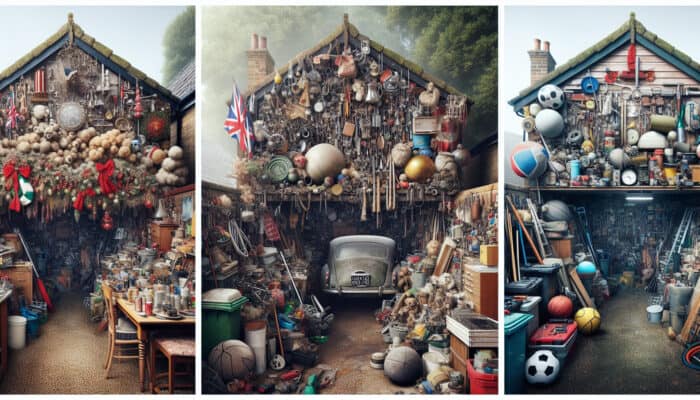
When embarking on your autumn decluttering journey for effective house clearance, it is essential to identify the most impactful areas to focus your efforts. In the UK, some spaces become notorious for collecting clutter over time, making them prime candidates for your decluttering activities. Prioritising significant areas such as the loft, garage, and garden sheds can lead to substantial improvements in your living environment. These areas often contain a mix of forgotten treasures alongside items that have outlived their utility, so addressing them can yield dramatic results.
Begin your decluttering in the loft, where you may find seasonal decorations and outdated furniture that occupy valuable space. Next, turn your attention to the garage, a common repository for a wide array of items, from tools to sporting equipment. With effective organisation, this space can be transformed into a functional area that serves your needs. Finally, evaluate your garden sheds, which may house unused tools or equipment that are no longer fit for purpose.
- Loft: Old furniture, decorations, and miscellaneous items
- Garage: Tools, bicycles, and various storage boxes
- Garden Shed: Gardening equipment, outdoor furniture, and seasonal items
- Living Room: Overstuffed shelves, accumulated magazines, and outdated electronics
- Bedrooms: A thorough overhaul of wardrobes and under-bed storage
- Kitchen: Expired food products and seldom-used appliances
- Office: Cluttered paperwork, stationery, and outdated technology
- Bathrooms: Expired cosmetics and toiletries
By concentrating your efforts on these targeted areas, you will witness the positive impacts of your decluttering efforts, fostering a rewarding sense of achievement that motivates you for further progress.
What Is the Optimal Approach to Plan Your Decluttering Sessions?
Effectively planning your decluttering sessions can significantly influence the difference between a rushed effort and a comprehensive transformation of your space. The UK autumn holidays and weekends present ideal opportunities to allocate dedicated time for your decluttering activities. Utilise the longer evenings for sorting and organising, while weekends are perfect for tackling larger projects that demand more energy and focus.
Additionally, it is important to check the weather forecast prior to scheduling your sessions. Choosing dry days is especially crucial for outdoor spaces such as the garden shed or garage, where you may need to move items outside for thorough sorting.
- Schedule your sessions around long weekends, including the October bank holiday.
- Designate specific hours each weekend for concentrated decluttering efforts.
- Take advantage of the last few sunny days to work on outdoor areas.
- Incorporate breaks to maintain your energy levels and prevent burnout.
Strategically planning your decluttering sessions allows you to maximise your efficiency and sustain motivation, transforming what could be a daunting task into a manageable and rewarding project.
How Can Local UK Charity Services Enhance Your Decluttering Experience?
One of the most effective strategies for decluttering is donating items to local charity services. The UK is home to a multitude of charitable organisations that welcome a variety of goods. Familiarising yourself with their specific requirements, including acceptable donation items and collection schedules, can greatly streamline your decluttering process.
Charity shops often play a vital role in local communities. Researching the options available in your area can help establish a routine for drop-offs or collections, ensuring that your unwanted items find new life and support those in need.
- Oxfam: Welcomes clothing, books, and household items.
- British Heart Foundation: Focuses on furniture and electrical goods.
- Mind: Accepts clothes, accessories, and homeware to support mental health services.
- RSPCA: Takes animal-related items and general household goods.
- Age UK: Concentrates on donations that assist older people.
- Marie Curie: Accepts good-quality clothing, books, and bric-a-brac.
- Local hospices: Often require donations to support their care services.
- Red Cross: Accepts a wide range of items, including clothing and household goods.
By engaging local charities in your decluttering activities, not only do you clear your space, but you also contribute positively to your community, fostering a cycle of generosity and support that benefits everyone involved.
What Preparations Should You Make for Outdoor Decluttering in Autumn Conditions?

Autumn in the UK can be notoriously unpredictable, with sudden rain showers and brisk winds posing challenges for outdoor decluttering projects. Proper preparation for this weather is essential to safeguard both yourself and your belongings. Start by dressing appropriately; layering is crucial since temperatures can vary widely throughout the day.
Utilising weatherproof containers and tarps can help protect your items from unexpected changes in weather. Having the appropriate tools readily available will facilitate a smoother and more efficient decluttering process.
- Waterproof jackets and robust footwear are essential for outdoor tasks.
- Heavy-duty tarps assist in covering items while you sort through them.
- Plastic bins are ideal for storing items that require protection from moisture.
- Gloves are beneficial for handling gardening tools and potentially dirty items.
- Warm layers ensure comfort while working in cooler temperatures.
- Garden waste bags aid in the easy disposal of natural debris.
- Garden chairs or benches provide a resting spot during your efforts.
- Flashlights are invaluable for working in dimly lit areas, such as sheds or garages.
By equipping yourself with the right gear and tools, you can optimise your decluttering time, regardless of the typical UK autumn weather conditions.
How Can You Protect Your Health from Autumn Allergies While Decluttering?
As the seasons shift, so does the risk of autumn allergies, including mould spores and pollen from fallen leaves. Being aware of these allergens is essential as you embark on your decluttering mission. Taking necessary health precautions ensures that your efforts are both effective and safe.
Start by wearing a mask while working in areas prone to dust or mould. This simple precaution can significantly reduce the inhalation of allergens. Moreover, keeping windows open can enhance air circulation, which helps alleviate indoor allergens.
- Wear a face mask to prevent inhaling dust and allergens.
- Schedule regular breaks to reduce fatigue and alleviate stress levels.
- Consider using antihistamines if you are prone to allergies.
- Keep windows open for fresh air and improved ventilation.
- Select times for decluttering sessions when pollen counts are lower.
- Clean surfaces with damp cloths to reduce dust dispersal.
- Use an air purifier to enhance indoor air quality.
- Stay hydrated to help combat allergens effectively.
By taking these precautions, you can approach your autumn decluttering efforts while prioritising your health and comfort throughout the entire process.
Expert Insights on Autumn Decluttering for Successful House Clearance
What Real-World Success Stories Highlight Effective Decluttering?

Success stories from homeowners across the UK exemplify the profound impact decluttering can have on one’s living space. Consider Mary from Kent, who faced the daunting task of confronting her garage, which had transformed into a disordered maze of forgotten items. By meticulously sorting through her belongings and categorising them into keep, donate, and discard piles, she successfully reclaimed space that now serves as a productive work area.
Mary’s strategy involved setting clear, manageable goals for each session, such as “tackle one shelf per hour,” which kept her focused and motivated. Additionally, she invited friends over for a decluttering party, turning the task into a fun social event that also increased accountability.
Another inspiring example is the Johnson family from Manchester, who decided to address their loft. During the process, they discovered boxes filled with childhood memorabilia that they no longer wished to keep. By documenting these items through photographs rather than retaining the physical objects, they preserved their memories while freeing up substantial space.
- Set clear, achievable goals for each decluttering session.
- Involve friends or family to enhance the enjoyment of the process.
- Utilise technology to document items you want to keep without retaining them physically.
- Establish a routine to maintain decluttered spaces for long-term benefits.
These real-world examples illustrate that decluttering can be both a fulfilling and collaborative experience. With effective strategies, you can transform your space and enjoy the many benefits of a clutter-free home.
What Psychological Benefits Are Associated with Decluttering?
The psychological advantages of decluttering are significant, with numerous studies establishing a direct link between a tidy environment and improved mental health. A well-organised space can lead to reduced stress and enhanced clarity of thought. Research indicates that clutter often contributes to feelings of anxiety and overwhelm, while maintaining a clean environment fosters a sense of control and accomplishment.
Decluttering also opens the door to a more mindful existence. When your physical surroundings are streamlined, your mental focus can shift to more meaningful aspects of life, such as personal growth, hobbies, and relationships.
- Reduces feelings of overwhelm and anxiety effectively.
- Provides a sense of control over your living environment.
- Encourages mindfulness and intentionality in daily routines.
- Supports enhanced focus and productivity in various tasks.
Creating a decluttered environment can significantly promote emotional well-being, making it an essential practice, particularly during the often gloomy autumn months when mental health can be more susceptible to decline.
What Strategies Can You Implement to Sustain Decluttered Spaces?
Maintaining a decluttered space requires dedication and ongoing effort, yet it is entirely achievable with simple strategies. One effective approach is to establish a routine for regular decluttering sessions. Dedicating time at least once a month to reassess your belongings can prevent clutter from accumulating again.
Incorporating storage solutions such as baskets, shelves, and multi-functional furniture can greatly assist in maintaining order. When everything has a designated place, it becomes much easier to keep your home organised and tidy.
- Implement a monthly decluttering check-in to evaluate your items.
- Utilise storage solutions that fit your space and organisational needs.
- Encourage family members to adopt similar organisational habits to promote a collective effort.
- Adopt the “one in, one out” rule for any new purchases to maintain balance.
These strategies can help reinforce the benefits gained from your autumn decluttering efforts, ensuring that your home remains a tranquil and organised sanctuary.
Legal Considerations for House Clearance in the UK
What Should You Understand About UK Waste Disposal Regulations?
Understanding the UK waste disposal regulations is essential for anyone involved in house clearance. Familiarising yourself with these laws ensures compliance and helps avoid potential penalties. The UK has stringent regulations concerning what can be disposed of in regular waste versus items that require specialised handling, such as electrical goods and hazardous materials.
Non-compliance with waste disposal laws can lead to significant fines, underscoring the importance of being informed. It is also crucial to comprehend local council regulations, as these can differ significantly across regions.
- Research your local council regulations on waste disposal carefully.
- Understand which items can be disposed of via regular waste services.
- Identify specific items that necessitate special disposal methods.
- Consult with professional waste removal services for guidance on compliance.
By understanding these regulations, you can ensure that your decluttering efforts are both lawful and environmentally responsible.
How Should You Safely Manage Hazardous Materials During Decluttering?
Managing hazardous materials safely during house clearance is critical, as improper disposal can pose serious health and environmental risks. Common household items that require careful handling include paints, batteries, and cleaning chemicals. The UK has specific guidelines governing the safe disposal of these materials, often directing them to designated recycling centres.
When dealing with these items, always check your local regulations regarding their disposal and the appropriate handling methods. Many local councils offer collection points or specific guidelines for safe disposal.
- Identify hazardous materials in your home and separate them from regular waste.
- Visit your local council’s website for specific disposal guidelines and regulations.
- Utilise designated recycling centres for the safe disposal of hazardous waste.
- Contact local services that specialise in hazardous material disposal for assistance.
By following these steps, you can ensure that hazardous materials are disposed of safely, thereby protecting both your health and the environment.
What Actions Should You Take When Dealing with Inheritance and Estate Clearance?
Clearing a home following the death of a loved one can be an emotionally charged experience, compounded by the legal complexities surrounding probate and inheritance laws in the UK. Understanding these laws is essential for effectively navigating this challenging time.
Initially, it is important to determine whether the estate requires probate based on its overall value and the deceased’s assets. Once this determination is made, you can begin the process of clearing the property, which often involves sorting through personal belongings and deciding what to retain, donate, or discard.
- Consult a legal professional to understand the requirements for obtaining probate.
- Assess the estate’s value to ascertain if probate is necessary.
- Create a comprehensive inventory of items for clarity and accuracy.
- Communicate compassionately with family members throughout the process.
Navigating these complexities with sensitivity can help ease the transition during a difficult time, ensuring the process remains respectful and thorough.
Seasonal Tips for Effective Autumn Decluttering
How Can You Prepare Your Home for the Winter Months?
As the leaves fall and temperatures drop, preparing your home for winter becomes essential. This seasonal transition presents a perfect opportunity to declutter areas that will be utilised more frequently, including heating systems and insulation. Clearing space around radiators and vents can enhance heating efficiency, making your home warmer and more energy-efficient during the colder months.
Additionally, consider evaluating your insulation and any winter gear, such as blankets or outdoor equipment. Ensuring that your home is organised for winter not only enhances comfort but can also lead to savings on heating bills.
- Clear space around radiators and heating vents to promote optimal airflow.
- Check and replace insulation as necessary to maintain warmth within your home.
- Sort through your winter clothing and blankets to confirm they provide adequate warmth and comfort.
- Organise winter sports equipment for easy access and proper storage.
By focusing on these specific areas, you can effectively winter-proof your home while simultaneously keeping it clutter-free.
What Steps Should You Take to Declutter Your Garden and Outdoor Spaces?
Preparing your garden for autumn involves clearing away summer items and ensuring that your outdoor spaces are tidy and functional for the upcoming months. Start by removing any dead plants or summer furniture that won't be needed until spring. This not only creates a cleaner space but also helps prevent pests and diseases from taking hold.
After clearing away the debris, consider storing your garden tools properly to protect them from the elements. Proper organisation will facilitate access to what you need when spring arrives.
- Remove dead plants and debris to maintain the health of your garden.
- Store garden furniture safely during the winter months to prolong its life.
- Organise tools in a shed or on a rack to prevent rust and damage.
- Consider planting autumn-friendly species that thrive in cooler weather.
These steps will ensure that your garden remains inviting and healthy throughout the winter months, preparing it for a beautiful revival come spring.
How Can You Maximise Space in Your Smaller UK Home?
Space-saving techniques are particularly vital in the context of smaller homes, which are common in the UK. Embracing multi-functional furniture can dramatically enhance your living space, allowing for efficient use of every square foot. Consider investing in ottomans that double as storage or beds with built-in drawers to maximise functionality.
Moreover, implementing vertical storage solutions, such as wall-mounted shelves, can free up valuable floor space while providing ample room for books and decorative items.
- Opt for multi-functional furniture that maximises utility and space efficiency.
- Utilise vertical space with wall-mounted shelves and hooks for better organisation.
- Implement under-bed storage solutions for seasonal items to optimise space utilisation.
- Encourage a minimalist mindset to reduce unnecessary belongings and clutter.
These strategies will help create a more functional and organised living environment, making the most of your smaller UK home.
Research-Backed Advantages of Autumn Decluttering for House Clearance
How Can Decluttering Enhance Your Home’s Market Value?
Decluttering can significantly boost your home’s market value, with studies in the UK indicating that decluttered homes tend to sell faster and at higher prices. Potential buyers are typically drawn to homes that feel spacious and well-maintained. To effectively stage your home for sale, focus on key areas that prospective buyers notice first, including the living room, kitchen, and bedrooms.
By creating an inviting atmosphere, you can positively influence buyers’ perceptions and increase the likelihood of a successful sale.
- Focus on decluttering high-traffic areas, such as the living room and kitchen, for immediate impact.
- Enhance your curb appeal by tidying up your outdoor spaces and gardens.
- Ensure that bedrooms feel serene and spacious to attract potential buyers.
- Consider hiring a professional staging service for expert advice on presentation.
Investing time in decluttering can yield substantial returns when it comes time to sell your home, making it a worthwhile endeavour.
In What Ways Does Decluttering Affect Energy Efficiency?
A decluttered home can notably improve energy efficiency, particularly in terms of airflow and heating in UK residences. When clutter obstructs airflow around heating systems, it can lead to inefficiencies that result in increased energy expenses. By ensuring that vents and radiators remain clear, you can optimise the performance of your heating system.
Additionally, removing excess items can enhance the effectiveness of insulation, contributing to a warmer home without relying on excessive heating.
- Ensure heating vents are clear to promote optimal airflow throughout your home.
- Organise spaces around insulation to improve its overall effectiveness.
- Assess areas for potential drafts and address them promptly to maintain warmth.
- Utilise energy-efficient appliances to further enhance overall efficiency.
The direct correlation between decluttering and energy savings makes it a crucial consideration for anyone looking to enhance their home’s sustainability and reduce energy costs.
What Are the Health Benefits of Maintaining a Clutter-Free Environment?
A clutter-free environment can provide numerous health benefits, with UK research indicating that reduced clutter correlates with improved air quality and fewer allergens. Clearing out old items can help eliminate dust mites, mould, and allergens that tend to accumulate in cluttered spaces.
Moreover, a tidy environment contributes to mental clarity, lowering stress levels and promoting better emotional health, creating a more comfortable living space overall.
- Regularly remove expired or unused items to minimise allergens and improve air quality.
- Maintain cleanliness to enhance indoor air quality for a healthier home environment.
- Encourage a peaceful atmosphere for better mental health and well-being.
- Foster mindfulness through a serene and organised space that promotes relaxation.
The health advantages of decluttering significantly enhance your quality of life, making it an essential practice to incorporate into your routine.
How Can Autumn Decluttering Boost Mental Clarity and Productivity?
Engaging in decluttering during autumn can be an excellent strategy to boost mental clarity and productivity. The mental burden of clutter can weigh heavily, impeding your ability to concentrate and work effectively. Several UK studies demonstrate a strong correlation between organised spaces and increased productivity levels, particularly in work-from-home environments.
Creating a clear workspace facilitates creativity and focus, making it easier to tackle tasks efficiently and effectively.
- Establish a dedicated workspace free from distractions to enhance productivity.
- Incorporate organisational tools to maintain clarity and order in your work environment.
- Regularly assess and remove items that no longer serve a purpose to keep your space functional.
- Celebrate small victories during the decluttering process to sustain motivation and positivity.
By embracing decluttering, you can significantly elevate your productivity levels, leading to a more fulfilling and accomplished life.
How Does Autumn Decluttering Impact Emotional Well-Being?
Engaging in autumn decluttering can positively influence your emotional well-being. The act of decluttering fosters a sense of accomplishment and clarity, significantly helping to reduce stress and improve mood. UK research suggests that maintaining a clutter-free environment can enhance emotional health, particularly during the darker months when feelings of sadness may increase.
A tidy home creates a peaceful retreat, allowing you to recharge and find serenity amid the chaos of everyday life.
- Engage in decluttering as a mindful activity to minimise stress and foster clarity.
- Create a serene environment that promotes relaxation and peace within your home.
- Encourage family members to participate in the decluttering process to strengthen emotional bonds.
- Reflect on the positive changes that decluttering brings to various aspects of your life.
The emotional benefits of decluttering are profound, making it a valuable practice, particularly during autumn when emotional well-being is crucial.
Effective Strategies for Efficient Decluttering
How Can You Effectively Sort and Categorise Your Belongings?
Sorting and categorising your belongings is a fundamental step in effective decluttering. Establishing a clear system can simplify the process and assist you in making well-informed decisions about what to keep, donate, sell, or discard. Begin by creating four distinct categories: keep, donate, sell, and discard.
As you evaluate each item, ask yourself whether it serves a purpose or brings you joy. This mindset can effectively guide you in making decisions that resonate with your values and needs, ensuring a more meaningful decluttering experience.
- Establish clear categories for sorting items to streamline the decluttering process and maintain focus.
- Utilise boxes or bags to differentiate between categories for easy management.
- Regularly assess items against your criteria for keeping to ensure relevance.
- Involve family members in the decision-making process for shared spaces to encourage collective responsibility.
By implementing these strategies, you can effectively manage your belongings, making the decluttering process smoother, more satisfying, and rewarding for all involved.
How Can Technology Assist in Your Decluttering Journey?
Leveraging technology can significantly enhance your decluttering experience. Numerous apps and online tools are designed to assist with inventory management and organisation, allowing you to streamline the process. For instance, apps like Sortly enable you to visually catalogue items, making it easier to track belongings and identify what needs to be removed.
Additionally, social media platforms such as Facebook Marketplace provide a convenient way to sell unwanted items quickly and efficiently.
- Explore inventory management apps to keep track of your belongings efficiently and effectively.
- Utilise photography apps to document items you wish to sell for better organisation.
- Engage with local selling groups for quick and easy transactions.
- Consider digital organisational tools for managing paperwork and essential documents.
Harnessing technology in your decluttering journey not only saves time but also maximises your efficiency, allowing you to focus on what truly matters.
What Are the Best Platforms for Selling Unwanted Items in the UK?
Transforming clutter into cash serves as a motivating factor for many during the decluttering process. The UK market offers various platforms for selling unwanted items, making it easier to find new homes for your belongings. Popular choices include eBay and Gumtree, allowing individuals to list items and reach a broad audience.
Local selling groups on social media platforms can also provide a quick turnaround for items, often eliminating the need for shipping and facilitating easier transactions.
- List items on eBay to reach a larger audience and increase potential bidding opportunities.
- Utilise Gumtree for local transactions, allowing for easy pickups and exchanges.
- Participate in local Facebook groups for selling specific items effectively and quickly.
- Consider attending Car Boot sales for a fun and interactive selling experience.
By exploring these platforms, you can successfully monetise your decluttering efforts, turning unused items into extra cash while simultaneously clearing out your home.
How to Conclude Your Autumn Decluttering Project Effectively?
How Can You Assess the Success of Your Decluttering Efforts?
Evaluating the success of your decluttering project is crucial to understanding its impact on your home’s space and functionality. One effective method is to take before-and-after photos, providing a visual representation of your progress. This visual record can also serve as motivation for future decluttering sessions.
In addition, consider the functionality of your spaces. Are they more accessible and organised now? Can you easily locate items? These metrics can help you gauge the overall effectiveness of your decluttering efforts.
- Take before-and-after photos to visually assess progress and celebrate your achievements.
- Evaluate the accessibility and organisation of your spaces to identify improvements.
- Reflect on any changes in your daily routine that have resulted from your decluttering efforts.
- Keep a journal to document your decluttering journey and track your successes over time.
By evaluating these factors, you can appreciate the transformation in your home and inspire yourself for future decluttering sessions.
What Are Some Creative Ways to Celebrate Your Decluttering Accomplishments?
Celebrating your decluttering accomplishments is essential for acknowledging the hard work you’ve invested. Small celebrations can reinforce positive behaviour and motivate you to continue maintaining a clutter-free space. Consider rewarding yourself with a treat, such as a favourite meal, an enjoyable outing, or even a small purchase that enhances your newly organised environment.
These celebrations can also involve sharing your journey with friends or family, inviting them to see your decluttered spaces, which cultivates a sense of pride and accomplishment.
- Organise a small gathering to showcase your decluttered space and celebrate your efforts.
- Treat yourself to a favourite meal or dessert as a reward for your hard work.
- Document your journey on social media to share your success and inspire others.
- Purchase one small item that complements your newly organised space as a token of your achievement.
Recognising your achievements can provide the motivation necessary to maintain a clutter-free home and continue the cycle of organisation.
How Should You Plan for Future Decluttering Sessions to Ensure Consistency?
Establishing a routine for ongoing decluttering is essential to prevent future clutter accumulation. Schedule regular decluttering sessions, ideally on a monthly or seasonal basis, to reassess your belongings and maintain order. By incorporating these sessions into your calendar, you create a habit that can help sustain a clutter-free environment.
Consider implementing the “one in, one out” rule, which encourages you to donate or discard an item each time you bring a new one into your home, promoting a balanced approach to belongings.
- Set a recurring calendar reminder for monthly decluttering sessions to keep on track.
- Engage family members in regular decluttering activities to foster a tidy home collectively.
- Adopt the “one in, one out” rule for new purchases to maintain a clutter-free space.
- Reflect on past decluttering successes to inspire and motivate future efforts.
By planning for future decluttering, you can ensure that your home remains a serene and organised sanctuary, free from the clutter that can accumulate over time.
What Common Questions Arise During the Decluttering Process?
What is the best way to start decluttering my home?
Begin by identifying specific areas that require attention. Focus on high-impact spaces, set manageable goals, and sort items into categories such as keep, donate, sell, or discard to streamline the process.
How often should I declutter my home?
Aim to declutter regularly, ideally once a month or at the start of each season. Establishing a routine helps maintain an organised space and prevents clutter from accumulating.
What items are best to donate during a decluttering process?
Items that are in good condition but no longer serve a purpose for you, such as clothing, furniture, and household goods, are excellent candidates for donation to local charities.
How can I ensure my decluttering efforts are sustainable?
Implement a regular decluttering schedule, use effective storage solutions, and adopt the “one in, one out” rule for new purchases to maintain organisation and prevent clutter from returning.
What should I do with hazardous materials during the decluttering process?
Identify hazardous materials, such as paints and batteries, and follow local disposal guidelines. Many councils provide designated collection points for these items to ensure safe disposal.
How can decluttering improve my mental health?
A tidy environment reduces stress and enhances focus, contributing to better emotional well-being. Decluttering can create a sense of control and accomplishment in your life, fostering a positive mindset.
Are there any apps that can help with decluttering?
Yes, several apps, such as Sortly and OfferUp, can assist in tracking inventory, organising items, and facilitating the sale of unwanted goods efficiently.
What are the physical health benefits of a decluttered home?
A clutter-free environment can improve air quality, reduce allergens, and promote better overall health, contributing to a more comfortable and inviting living space.
How can I maximise a small living space during decluttering?
Utilise multi-functional furniture, vertical storage solutions, and conduct regular assessments of belongings to optimise space in smaller homes for better functionality.
What should I do if I feel overwhelmed by the decluttering process?
Take breaks, set small achievable goals, and involve friends or family for support. Breaking the process down into manageable tasks can significantly alleviate feelings of overwhelm.
Connect with us on Facebook!
The Article: Autumn Decluttering for House Clearance: UK Guide Was First Found At https://birminghamhouseclearance.com
The Article Autumn House Clearance Guide: Tips for Effective Decluttering Was Found On https://limitsofstrategy.com