Your Comprehensive Guide to Choosing the Perfect Food Processor for Optimal Kitchen Efficiency
What Essential Features Make a Food Processor Stand Out?
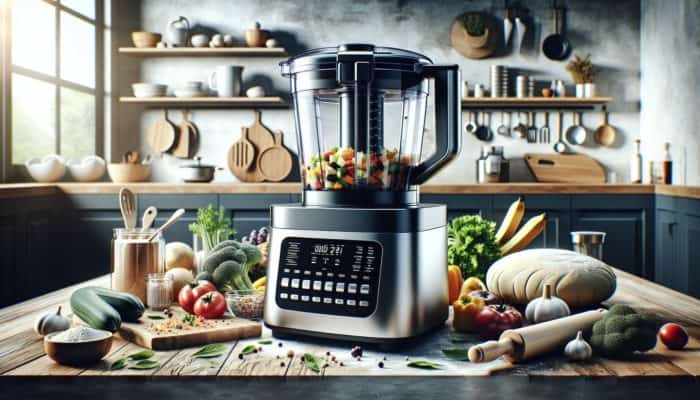
The best food processors for meal preparation exhibit remarkable durability, power, and versatility, making them essential tools for streamlining your culinary tasks. A top-notch food processor is capable of handling a myriad of tasks, enabling users to chop, blend, and purée effortlessly. Key features that contribute to their exceptional performance include:
- Durability: Made from high-quality materials that withstand frequent use, ensuring a long-lasting product.
- Power: Equipped with a robust motor, typically between 600 to 1200 watts, allowing it to tackle even the most challenging ingredients with ease.
- Versatility: Capable of performing various functions such as slicing, shredding, and kneading dough, catering to diverse culinary needs.
- Capacity: A suitably sized bowl that meets different meal preparation requirements, whether for intimate dinners or family gatherings.
- Blades and Attachments: A comprehensive range of blades designed for various tasks, enhancing the overall functionality of the processor.
- Ease of Cleaning: Thoughtful designs that promote straightforward disassembly and cleaning processes.
- Safety Features: Incorporates mechanisms such as locking lids and non-slip bases to prevent accidents during use.
Investing in a reliable food processor guarantees efficiency and productivity in the kitchen, facilitating prompt meal preparation without sacrificing quality.
Which Key Components Elevate Your Meal Preparation Experience?
Food processors serve as indispensable appliances that promote rapid and efficient meal preparation. Notable features include the blades, bowl, and motor, which function together seamlessly to enhance your kitchen routines. The design and quality of these components significantly influence the food processor's ability to perform various cooking tasks effectively.
The blades are pivotal; they come in diverse shapes and sizes, each tailored for specific functions like chopping vegetables or emulsifying sauces. An optimally designed bowl guarantees adequate capacity and stability, accommodating both small and large quantities without the risk of spillage. The motor acts as the powerhouse of the food processor, with wattage options determining how quickly and efficiently it processes hard ingredients.
By understanding these essential components, users can refine their meal prep process, making it not only more efficient but also more enjoyable. The right combination of blades, bowl size, and motor power empowers users to confidently tackle an array of recipes, from vibrant salads to hearty pasta dishes, with ease and precision.
How Do Food Processors Revolutionise Cooking in Your Kitchen?
Integrating food processors into your cooking routine presents numerous advantages that can transform meal preparation. Most notably, they significantly decrease the time and effort required to assemble meals, fostering a more efficient kitchen environment. By automating repetitive tasks such as chopping, slicing, and mixing, food processors enable home cooks to focus on the more creative aspects of cooking.
Moreover, using a food processor can encourage healthier eating habits. Their efficiency simplifies the preparation of fresh, nutrient-dense meals consistently. For instance, instead of relying on convenience foods, users can quickly whip up homemade sauces, dips, and salads, promoting a varied and nutritious diet. This ease of preparation fosters better food choices, ultimately contributing to healthier lifestyles.
Furthermore, food processors enhance culinary creativity by broadening the range of recipes that can be executed with minimal effort. Whether crafting a smoothie, making nut butter, or preparing dough for homemade bread, these appliances empower home cooks to explore new culinary avenues without the extensive labour often associated with such tasks.
Essential Features to Maximise Your Meal Prep Efficiency
How Do Power and Speed Options Affect Performance?
Various food processor models come with different wattages and speed settings, granting users enhanced control over food preparation tasks. The power output of a food processor is crucial for its ability to manage a wide range of ingredients, from soft fruits to tough vegetables. Generally, a model with a higher wattage offers increased efficiency, making it suitable for a broader spectrum of culinary tasks.
Speed settings also play an integral role, allowing users to adjust processing to meet specific recipe demands. For example, a pulse setting assists in tasks like accurately chopping herbs, preventing them from turning into a purée. Conversely, continuous-run options excel at delivering smooth blends, ideal for dressings or dips.
Having a variety of speeds empowers users to achieve their preferred texture, whether they desire a coarse chop or a velvety smooth blend. This versatility not only enhances the quality of prepared food but also simplifies recipe experimentation, ensuring meal prep is both efficient and enjoyable.
How to Choose the Right Size and Capacity for Your Cooking Needs?
Food processors are available in various sizes and capacities, catering to a diverse range of culinary needs. Smaller units, commonly known as mini food processors, are perfect for individuals or couples who do not require large volumes for meal prep. They excel at quickly chopping herbs, grinding nuts, or creating small batches of sauces while taking up minimal kitchen space.
Conversely, larger models provide ample capacity for families or those who frequently host gatherings, enabling users to process larger quantities of food in one go. The key is to choose a size that aligns with your cooking habits and available kitchen space.
Additionally, the size of the food processor can impact storage and usability. Compact designs that fit under kitchen cabinets or in tight spaces are particularly advantageous in smaller kitchens, offering flexibility without overwhelming storage capabilities. A balanced approach to size and capacity ensures the food processor seamlessly integrates into your meal prep routine.
Why Is Safety and User-Friendliness Crucial When Choosing a Food Processor?
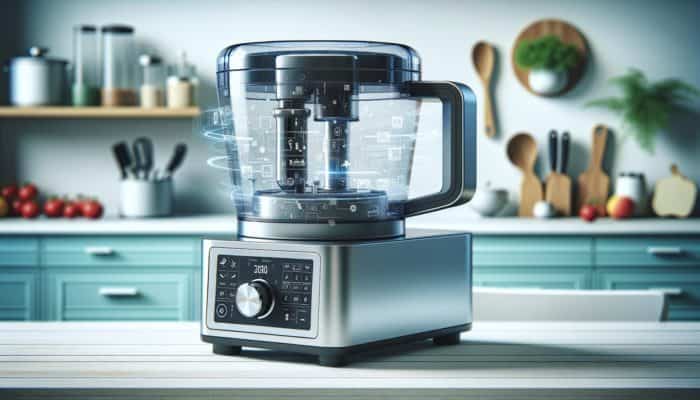
Safety is a top priority for kitchen appliances, and food processors are no exception. Many contemporary designs incorporate various safety features that enhance accessibility and user-friendliness. For example, locking mechanisms prevent the processor from operating if the lid is not securely in place, significantly reducing the risk of accidents during use.
Furthermore, ease of use is a vital consideration. Intuitive controls and clear markings for different functions simplify the cooking process, making it accessible to users of all skill levels. Many models feature ergonomic designs that ensure comfortable handling, allowing for straightforward operation even during prolonged use.
By integrating safety features and user-friendly designs, food processors not only enhance the cooking experience but also provide peace of mind, allowing users to focus on their culinary creations without the worry of potential hazards.
What Impact Do Food Processors Have on Meal Preparation Efficiency?
How Do They Affect Preparation Time and Efficiency?
Food processors significantly reduce preparation time, establishing them as invaluable tools in the kitchen. Automating tasks such as chopping, slicing, and mixing allows users to complete meal assembly in a fraction of the time required for manual efforts. For instance, chopping vegetables by hand might take up to 20 minutes, while a food processor can accomplish the same task in mere seconds.
This time-saving capability promotes healthier eating habits, as individuals are more inclined to prepare fresh meals when the process is simplified and streamlined. By alleviating the labour-intensive aspects of meal prep, food processors encourage consistent home cooking, which is often healthier than relying on pre-packaged convenience foods.
Additionally, the efficiency of food processors positively influences meal planning and batch cooking. Preparing ingredients in bulk becomes feasible, enabling users to create multiple meals in a single cooking session. This not only saves time but also reduces food waste, making meal prep more sustainable and cost-effective.
What Are the Key Benefits of Food Processors for Streamlining Your Daily Routines?
Incorporating food processors into daily routines simplifies repetitive kitchen tasks, freeing up time for other culinary pursuits. One of the most significant advantages is their capacity to handle routine prep work swiftly, allowing home cooks to focus more on recipe development and presentation.
The versatility of food processors enables them to manage multiple tasks within a single device, reducing the need for numerous appliances. This consolidation makes storage, organisation, and overall kitchen workflow more manageable. Users can quickly transition between tasks, such as chopping vegetables for a stir-fry and blending a sauce, without needing to clean and set up different devices.
Moreover, food processors can inspire creativity in the kitchen. By experimenting with various recipes and ingredients, users may discover new flavour combinations or techniques that elevate their cooking routine. This innovation enhances the meal-prep experience and fosters a more enjoyable, fulfilling cooking journey.
What Are the Common Culinary Uses for Food Processors?
Food processors are incredibly versatile and can accommodate a broad range of culinary needs, making them essential for meal preparation. Their functions span from basic chopping and slicing to more advanced tasks like puréeing, kneading, and mixing, fostering innovation in day-to-day cooking.
For example, they are commonly utilised to blend ingredients for sauces and dressings, enabling smooth emulsification without the need for manual whisking. Additionally, food processors excel in preparing dough for pastries and breads, streamlining a process that can be labour-intensive when done manually.
Another widespread application involves shredding vegetables, such as carrots or cheese, which can be time-consuming if performed manually. This ensures that users can effortlessly create salads, tacos, or casseroles. By accommodating a range of recipes, food processors encourage home cooks to explore new culinary horizons, transforming the kitchen into a more dynamic space for creativity.
Expert Tips for Choosing the Most Suitable Food Processor for Meal Prep
What Steps Should You Take to Select the Ideal Model?
When selecting a food processor, it’s essential to evaluate models based on performance metrics that align with your specific meal prep needs. Start by considering factors such as motor power, capacity, and attachment versatility. A minimum of 600 watts is recommended for general use, with higher wattages preferred for regularly processing tougher ingredients.
Next, assess your capacity requirements based on your cooking habits. A larger bowl is beneficial for families or those who frequently entertain, while a compact design may suffice for individuals or couples.
Moreover, consider the available attachments; models featuring multiple blades and discs can significantly enhance functionality, enabling a broader range of culinary tasks. Look for features such as dishwasher-safe components and easy assembly to improve maintenance and usability.
To facilitate making an informed choice, consider the following criteria:
- Motor power: Ensure the wattage meets your needs.
- Capacity: Select a size that aligns with your typical cooking volume.
- Versatility: Choose models with multiple attachments and settings.
- Ease of cleaning: Opt for dishwasher-safe parts and straightforward disassembly.
By focusing on these actionable steps, you can confidently select a food processor that enhances your meal-prep experience.
How to Compare Features of Leading Food Processor Models?
A thorough comparison of top food processor models reveals key features that cater to diverse culinary needs. For instance, the Cuisinart DFP-14BCNY boasts a robust motor and a 14-cup capacity, making it ideal for larger families or batch cooking. Its versatility is enhanced by an array of attachments, including a shredding disc and a slicing disc, supporting a wide range of applications.
In contrast, the Breville BFP800XL is noted for its innovative features, including a variable slicing setting that allows users to adjust slice thickness. This adaptability can significantly improve the presentation and texture of dishes such as salads and stir-fries.
When comparing models, consider factors such as warranty, ease of use, and user reviews. A product that has received positive feedback for reliability and functionality often signifies a well-designed appliance. By assessing each model's unique strengths, you can identify the best fit for your meal-prep needs.
What Maintenance Strategies Are Essential for Optimal Food Processor Performance?
To maximise the durability and effectiveness of a food processor, implementing a routine maintenance strategy is vital. Regular cleaning after each use prevents the buildup of food residue, which can adversely affect performance and hygiene. A simple wash with warm, soapy water is typically sufficient, and many parts are dishwasher-safe, making maintenance a breeze.
Additionally, periodic checks on the blades and motor can help identify any potential issues before they escalate. It’s essential to ensure that blades remain sharp and free from damage, as dull blades can compromise efficiency and food quality.
Another important aspect of long-term performance is proper storage. Keeping the food processor in a dry, cool place prevents wear from humidity or extreme temperatures. By following these maintenance strategies, users can ensure their food processor remains a reliable ally in meal prep for years to come.
What Affordable Food Processor Options Do Experts Recommend?
Finding an economical food processor that balances quality and functionality is achievable with strategic insights. Experts suggest looking for mid-range models, as they often provide a good blend of features without the premium costs associated with high-end brands.
One excellent budget-friendly option is the Hamilton Beach 70730, which delivers solid performance with a 10-cup capacity and several attachments, making it suitable for everyday meal prep tasks. Another noteworthy model is the Black+Decker FP1600B, which is highly rated for its versatility and ease of use, making it an excellent choice for those new to food processors.
When evaluating budget options, consider factors such as warranty, energy efficiency, and customer service support. A model with a solid warranty provides peace of mind, while energy-efficient appliances can save money over time. By prioritising these aspects, you can make a savvy purchase that won’t compromise on performance.
Which Brands Are Renowned for Their Reliable Food Processors?
How Can You Identify Trustworthy Food Processor Brands?
Identifying reliable food processor brands involves assessing their history, customer feedback, and product quality. Well-established brands such as Cuisinart, KitchenAid, and Breville are celebrated for their consistent quality and innovation in kitchen appliances. User reviews can provide valuable insights into the experiences of other consumers, highlighting the strengths and weaknesses of specific models.
Furthermore, examining warranty offers serves as an excellent indicator of a brand’s confidence in its product. Brands that provide extensive warranties typically stand behind their quality, ensuring consumers receive dependable performance. By focusing on reputable brands with positive customer feedback, users can make informed decisions that minimise the risk of purchasing inferior products.
What Popular Food Processor Models Stand Out and Why?
Several food processor models have garnered popularity due to their reliability and distinctive features. The Cuisinart DFP-14BCNY, for example, is praised for its powerful motor and large capacity, making it ideal for family cooking and entertaining. Its user-friendly design and versatile attachments enhance its appeal, allowing for a variety of culinary tasks with ease.
Another well-regarded model is the KitchenAid KFP1466CU, which features a unique ExactSlice system that allows users to adjust slicing thickness effortlessly. This feature is particularly advantageous for those striving for consistency in their meal presentations.
The Breville BFP800XL has also received attention for its innovative design and multifunctionality, appealing to home chefs who enjoy experimenting with diverse recipes. Each of these models offers unique advantages, helping users find a food processor that meets their specific cooking needs.
What Factors Should Influence Your Choice of Food Processor Brand?
When selecting a food processor brand, user preferences significantly impact the decision-making process. Factors such as speed, capacity, and functionality all influence brand choice. For instance, some users prioritise speed and motor power, opting for brands that offer high-performance models capable of efficiently handling tougher ingredients.
Others may focus on specific features, such as the versatility of attachments or ease of cleaning, leading them to brands known for user-friendly designs. Aesthetic considerations can also play a role, with some brands showcasing stylish designs that complement modern kitchen decor.
Ultimately, aligning brand selection with individual preferences ensures users find a food processor tailored to their meal-prep goals, leading to a more satisfying culinary experience.
Research-Backed Insights on the Impact of Food Processors on Meal Preparation
What Real-World Examples Demonstrate Efficiency Gains?
Research indicates that food processors can reduce preparation time by up to 50%, significantly enhancing meal-preparation efficiency. Studies conducted in various culinary environments reveal that users achieve considerable time savings by utilising food processors for repetitive tasks such as chopping, mixing, and puréeing.
For instance, a case study conducted in a bustling restaurant kitchen demonstrated that chefs could prepare fresh ingredients in half the time when employing high-quality food processors compared to manual methods. This efficiency gain not only facilitates quicker meal service but also promotes healthier cooking practices, as chefs are more inclined to create fresh meals rather than rely on pre-packaged options.
Such findings underscore the transformative impact of food processors, emphasising their role in supporting healthier eating habits through efficient meal preparation.
How Do Food Processors Contribute to Health and Nutrition?
Food processors can positively impact healthier diets by preserving nutrients during processing. Studies indicate that the speed and efficiency of food processors help retain vitamins and minerals that might otherwise be lost through prolonged cooking or processing methods.
When vegetables and fruits are processed quickly, they maintain their freshness, ensuring meals remain nutrient-dense. For example, blending a smoothie with a food processor helps conserve nutrients from fruits and vegetables, yielding a wholesome and nutritious beverage.
Furthermore, automating meal prep encourages individuals to incorporate more fresh produce into their diets, leading to greater variety and nutritional balance. By making healthy cooking more accessible, food processors support healthier eating habits.
What Role Do Food Processors Play in Promoting Sustainability?
The sustainability of food processors is a crucial consideration for environmentally conscious consumers. Evidence from studies indicates that energy-efficient models consume less power during operation, supporting eco-friendly practices in routine meal preparation.
Many modern food processors are designed with energy efficiency in mind, often utilising smart technology that reduces energy consumption without compromising performance. By selecting energy-efficient models, users can minimise their environmental impact while still enjoying the benefits of streamlined meal prep.
Moreover, preparing meals at home with fresh ingredients reduces reliance on pre-packaged foods, which are often associated with excessive packaging waste and carbon emissions from transportation. By fostering a more sustainable approach to cooking, food processors play a pivotal role in promoting eco-conscious culinary habits.
Why Is Routine Maintenance Vital for Food Processors?
What Are the Best Practices for Cleaning Food Processors?
Regular maintenance and cleaning of food processors are essential for ensuring longevity and optimal performance. Best cleaning practices involve disassembling the appliance after each use and washing all removable parts with warm, soapy water. Many components are dishwasher-safe, making the process even easier.
It’s crucial to handle the blades with care during cleaning to avoid injuries. After washing, thoroughly drying all parts prevents moisture buildup, which can lead to rust or mould over time. Additionally, wiping down the motor base with a damp cloth helps maintain hygiene without risking damage to electrical components.
Establishing a routine cleaning schedule not only extends the food processor's lifespan but also ensures every meal is hygienic and free from residue from previous ingredients.
How Does Maintenance Impact Performance?
Proper care and maintenance directly influence the performance of food processors. A clean, well-maintained appliance operates more efficiently, delivering consistent results in meal preparation. Regular cleaning prevents food particles from clogging the motor or dulling the blades, ensuring that the processor continues to function optimally.
Moreover, neglecting maintenance can lead to increased wear and tear, resulting in diminished performance over time. For instance, dull blades can slow processing times and degrade food quality. This can create frustration during meal prep and might ultimately discourage ongoing use of the appliance.
Incorporating a simple maintenance routine ensures users can rely on their food processors for effective performance, enhancing their overall cooking experience.
How Can Regular Checks Extend the Longevity of Food Processors?
Establishing routine check habits can significantly enhance the longevity of food processors. Regular inspections of the appliance can help catch potential issues early, preventing costly repairs or replacements. Users should consistently check for signs of wear on the blades to ensure they remain sharp and effective.
Additionally, inspecting the motor and electrical connections can help avert malfunctions. Keeping the food processor in a clean, dry environment also aids in preserving its longevity, as exposure to moisture or extreme temperatures can cause deterioration.
Implementing these simple maintenance routines can ensure food processors continue to operate efficiently for years to come. A few key checks include:
- Blade sharpness: Regularly inspect and replace dull blades.
- Motor performance: Listen for unusual sounds during operation.
- Electrical connections: Ensure wires are intact and connections secure.
- Cleaning: Maintain a consistent cleaning schedule after each use.
By prioritising these checks, users can prolong the life of their food processors, ensuring they remain valuable tools in the kitchen.
What Are the Best Practices for Efficient Use of Food Processors?
How to Maximise the Versatility of Your Food Processor?
To maximise the versatility of a food processor, users can experiment with various attachments and settings to expand its functionality. Beyond basic chopping and blending, many food processors include additional tools to enhance culinary creativity. For instance, shredding and slicing discs can be utilised to prepare ingredients for salads, stir-fries, and pizzas, offering a diverse range of textures in meals.
Additionally, users can explore different processing speeds and pulse settings to achieve a variety of consistencies, from coarsely chopped vegetables to finely ground nuts. This adaptability encourages experimentation with recipes and can inspire new culinary creations that elevate everyday meals.
Furthermore, incorporating unique ingredients or trying out different cuisines can transform familiar recipes, making meal prep an exciting and enjoyable process. The flexibility of food processors enables users to move beyond traditional cooking methods, fostering a more dynamic kitchen environment.
What Are Effective Storage and Organisation Techniques for Food Processors?
Efficient storage and organisation of food processors can significantly enhance kitchen workflow. Compact designs that fit neatly on countertops or under cabinets make it easy to access the processor without creating clutter. Users should consider designating a dedicated space for their food processor and its attachments to streamline cooking.
Using drawer organisers or designated bins to store various attachments can also help keep everything tidy. Ensuring that the food processor and its components are easily accessible encourages regular use and enhances the overall cooking experience.
By prioritising organisation, users can seamlessly integrate food processors into their kitchen routines, ensuring meal prep remains efficient and enjoyable.
How to Troubleshoot Common Food Processor Issues?
Food processors, like any kitchen appliance, can encounter issues from time to time. Common problems, such as jamming, can usually be resolved through simple troubleshooting. If the processor becomes jammed, it’s advisable to turn off the appliance and check for any food particles obstructing the blades. Removing the obstruction and reassembling can often resolve the issue.
If a processor fails to start, check the power connection and ensure the lid is securely locked, as many models are designed not to operate unless the lid is correctly in place.
Understanding these common issues and their solutions can ensure uninterrupted use, allowing users to continue meal preparation smoothly. Familiarity with the food processor’s manual can provide additional insights into model-specific troubleshooting steps.
What Cleaning and Maintenance Routines Should You Establish for Longevity?
Creating regular cleaning and maintenance routines for your food processor can extend its lifespan and maintain optimal performance. After each use, disassemble the appliance and wash all removable parts with warm, soapy water. Regularly checking for any signs of wear on the blades and motor can help identify potential issues early.
Additionally, keeping the food processor in a clean, dry environment helps prevent moisture-related problems. Simple steps, such as wiping down the exterior and ensuring the motor base is free of spills, help maintain hygiene and functionality.
By incorporating these routines into your kitchen habits, you can ensure that your food processor remains a reliable tool for efficient meal preparation every time.
How to Optimise Processing Techniques for Maximum Results?
Optimising processing techniques can minimise waste and maximise results when using a food processor. Utilising the appropriate speed and pulse settings for specific ingredients helps users achieve the desired texture without over-processing. For instance, using the pulse function for chopping vegetables allows for better control, preventing them from turning into mush.
Moreover, layering ingredients in the processor can enhance processing efficiency. For example, placing softer vegetables on top of harder ones can ensure even chopping and blending. This technique reduces the need for additional processing time, leading to faster meal prep.
By mastering these processing techniques, users can achieve better outcomes in their recipes, enhancing overall kitchen efficiency and making the most of their food processors.
What Common Questions Are Asked About Food Processors?
What Is the Primary Function of a Food Processor?
A food processor is a versatile kitchen appliance designed for tasks such as chopping, slicing, shredding, blending, and puréeing ingredients, ultimately making meal preparation more efficient.
How Can I Choose the Right Food Processor for My Needs?
When selecting a food processor, consider factors such as motor power, capacity, attachment versatility, and ease of cleaning to find a model that fits your cooking needs.
Can Food Processors Serve as a Replacement for Blenders?
While food processors can perform many blending tasks, they are primarily designed for chopping and slicing. A blender is better suited for achieving smooth textures, such as smoothies or soups.
What Cleaning Practices Are Recommended for My Food Processor?
Disassemble the food processor and wash all removable parts with warm, soapy water or place them in the dishwasher. Wipe down the motor base with a damp cloth to maintain hygiene.
What Features Should I Prioritise When Selecting a Food Processor?
Look for features such as motor power, capacity, a variety of blades and attachments, ease of use, and safety mechanisms like locking lids to ensure optimal performance.
Are There Affordable Food Processors That Perform Well?
Many budget-friendly processors deliver solid performance, such as the Hamilton Beach and Black+Decker models, which strike a balance between cost and functionality.
What Is the Expected Lifespan of a Food Processor?
With proper care and maintenance, a quality food processor can last 10 years or more, providing reliable performance for meal prep.
Is It Safe to Process Hot Liquids in a Food Processor?
Generally, it is not recommended to process hot liquids in a food processor as they can create pressure and potentially cause the lid to pop off. Allow liquids to cool before processing.
What Size Food Processor Is Most Suitable for Me?
The size of the food processor you need depends on your cooking habits. Smaller models are suitable for individuals, while larger models cater to families or those who entertain regularly.
How Can I Troubleshoot a Jammed Food Processor?
If your food processor becomes jammed, turn it off, unplug it, and check for food particles blocking the blades. Remove any obstructions and reassemble before using it again.
Connect with us on Facebook!
The post Top Food Processors for Meal Prep: Top Picks for Meal Prep appeared first on https://cookinggods.com
The Article Top Food Processors for Meal Prep: Best Choices for Efficiency Was Found On https://limitsofstrategy.com