Uncover the Key Benefits and Features of Eco Tours in San Miguel de Allende
What Is Eco Tourism and Why Is It Vital for Our Future?

Eco tourism embodies a transformative philosophy of travel. This approach focuses on exploring natural environments responsibly while ensuring the conservation of ecosystems and enhancing the quality of life for local communities. As a rapidly growing sector, eco tourism champions sustainability and highlights the significance of preserving nature's beauty for future generations. It intertwines education, cultural respect, and environmental stewardship, illustrating the profound connections between travellers and the ecosystems they explore.
Eco tourism transcends mere enjoyment of picturesque landscapes. It entails a comprehensive understanding of ecological balance and the impact humans have on natural resources. Activities that advocate for conservation, such as wildlife surveys and tree planting, form the foundation of eco tourism. By fostering awareness and respect for nature, eco tourism nurtures responsible travellers who actively support sustainable practices on a global scale.
- Engagement with local communities
- Support for conservation initiatives
- Promotion of cultural heritage
- Focus on sustainability
How Do Eco Tours Differ from Conventional Tourism?
Eco tours differentiate themselves from conventional tours through their core principles and practices. While traditional tourism often prioritises convenience and entertainment, eco tourism places emphasis on sustainability, cultural respect, and ecological integrity. Eco tours are crafted to reduce ecological footprints through methods that protect resources and enhance cultural authenticity. They typically limit group sizes and employ local guides, ensuring that tourism revenue directly benefits local communities and ecosystems.
Another significant distinction lies in the nature of activities offered. Traditional tours usually concentrate on mainstream attractions, whereas eco tours highlight immersive experiences that connect travellers with nature and local cultures. Participants may engage in activities such as wildlife observation, hiking in pristine settings, and forming meaningful connections with local communities. Eco tours cater to travellers who are committed to making a positive impact on their journeys.
What Activities Are Integral to Eco Tours?
Eco tours encompass a diverse range of activities that connect travellers with nature and local cultures while advocating for conservation efforts. Wildlife observation provides participants with the opportunity to discover native species and ecosystems, often guided by knowledgeable local experts who share invaluable insights. Such interactions cultivate a deep appreciation for biodiversity and underscore the critical importance of conservation initiatives.
Additionally, hiking and trekking through unspoiled landscapes are popular pursuits within eco tourism. These excursions not only offer breathtaking views but also provide firsthand experiences of climate change's impact and ongoing habitat preservation efforts. Many eco tours include visits to community-led projects, such as organic farms or craft workshops, which promote cultural exchange and understanding among participants.
- Wildlife observation tours
- Hiking and nature trails
- Cultural immersion experiences
- Participatory conservation projects
- Birdwatching excursions
- Farm-to-table dining experiences
- Community-led workshops
- Snorkelling or diving in protected areas
Gain Insights from Experts on Eco Tours in San Miguel de Allende
What Are Exemplary Instances of Successful Eco Tours Available?
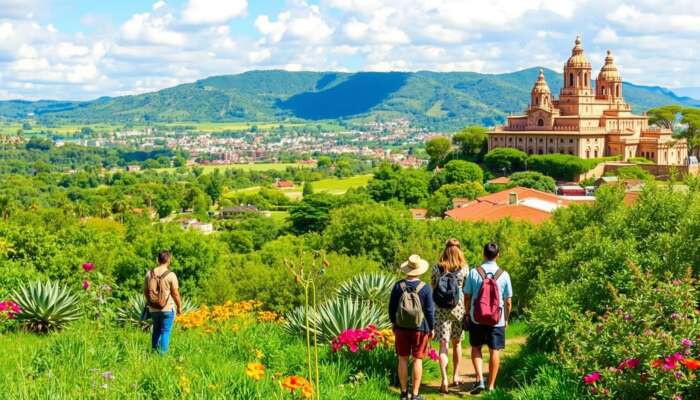
San Miguel de Allende exemplifies successful eco tour initiatives. Local operators frequently collaborate with indigenous communities to curate tours that highlight traditional practices and sustainable agriculture. A notable eco tour features guided visits to organic farms, enabling tourists to actively engage in farming while gaining insights into sustainable practices that improve soil health and conserve water.
Nature reserves in this stunning region offer eco tours focused on wildlife conservation. These tours incorporate educational elements, where guides elucidate ongoing conservation efforts and the significance of local flora and fauna. The success of these tours not only enriches visitor experiences but also generates essential revenue that supports community-led conservation initiatives, thereby benefiting both the environment and local inhabitants.
What Practical Steps Should You Take to Plan Your Eco Tour?
Planning an eco tour necessitates a careful and informed approach. Start by thoroughly researching potential destinations and seeking operators that prioritise eco-friendly practices and have received positive reviews from previous travellers. It is vital to understand local regulations regarding wildlife and conservation to ensure compliance during your visit.
Consider the environmental impact of your travel choices. Opting for direct flights, using public transport, and minimising single-use plastics can significantly enhance your eco-friendliness. Engage respectfully with local communities and support businesses that contribute to conservation efforts. Be prepared to embrace a flexible itinerary, allowing for spontaneous interactions with local cultures and landscapes, ultimately enriching your eco tour experience.
What Are the Emerging Trends Influencing Eco Tourism?

Current trends in eco tourism illustrate a rapidly evolving landscape. More travellers are prioritising community involvement and environmental stewardship, seeking operators that provide immersive experiences while demonstrating a commitment to sustainable practices. This shift is evident in the increasing popularity of eco lodges that utilise renewable energy sources and support local economies through the sourcing of food and materials locally.
Moreover, there is a growing interest in eco tours that incorporate wellness elements, such as yoga retreats and mindfulness hikes, linking physical well-being with environmental awareness. The trend towards personalised travel, where itineraries are tailored to individual interests and eco-consciousness, signifies a movement towards more meaningful travel experiences. As awareness of global ecological challenges expands, the emphasis on sustainability and community engagement within eco tourism is likely to intensify.
How Do Eco Tours Positively Influence Conservation Efforts?
What Environmental Benefits Do Eco Tours Offer?
Eco tours deliver substantial environmental benefits through responsible travel practices. They play a vital role in safeguarding delicate ecosystems and preserving biodiversity in areas that are particularly vulnerable. Eco tours often focus on regions threatened by urbanisation or mass tourism, ensuring that visitors contribute positively to the local environment.
Furthermore, eco tours frequently partner with conservation organisations to support initiatives such as habitat restoration and wildlife protection programmes. Travellers become advocates for conservation, raising awareness about the necessity of protecting natural habitats and promoting sustainable practices. The economic benefits generated by eco tourism can also be reinvested into local conservation efforts, creating a sustainable cycle of support that enhances environmental stewardship.
How Can Tourists Contribute Positively During Eco Tours?
Tourists can have a significant positive impact during eco tours by embracing responsible travel practices. A straightforward method to contribute is by choosing eco-friendly operators that prioritise sustainability in their operations. Select tours that minimise waste and carbon footprints, such as those that utilise renewable energy sources or promote low-impact transportation options.
Travellers should adhere to ‘leave no trace’ principles, reducing plastic use, properly disposing of waste, and respecting wildlife and local customs. Engaging meaningfully with local communities, whether through cultural exchanges or by supporting local artisans, fosters mutual respect and enhances the overall travel experience. By becoming advocates for conservation and practising responsible travel habits, tourists play a crucial role in protecting the environments they visit.
- Wildlife protection programmes
- Habitat restoration projects
- Community education efforts
- Support for local conservation organisations
- Involvement in local eco initiatives
- Promotion of responsible tourism practices
- Funding for research and conservation
- Volunteer opportunities with conservation groups
How Do Eco Tours Benefit Local Communities Economically?
Eco tours provide invaluable support to local communities by creating economic opportunities. They promote sustainable development by involving local guides, artisans, and businesses in the eco tourism industry. As a result, a significant portion of the revenue generated remains within the community, bolstering livelihoods and incentivising the preservation of local culture and natural resources.
Moreover, eco tours often incorporate elements that allow travellers to engage directly with local projects, such as community gardens or educational programmes, fostering a reciprocal relationship between visitors and residents. This engagement encourages cultural exchange and understanding, enriching the overall experience for both tourists and locals. As eco tourism continues to gain popularity, it has the potential to transform communities by promoting sustainable practices and supporting long-term environmental stewardship.
What Role Does Education Play in Enhancing Eco Tours?
Education serves as a cornerstone of eco tourism. These experiences aim to raise awareness about environmental issues and promote sustainable practices. Eco tours frequently feature knowledgeable guides who share insights on local ecosystems, conservation efforts, and the cultural significance of the areas visited. This educational component empowers travellers to comprehend the ecological challenges faced by the regions they explore, fostering a deeper connection with the environment.
Additionally, eco tours inspire travellers to become advocates for conservation. By informing participants about the importance of biodiversity and the effects of human activities on natural resources, eco tourism cultivates informed travellers who are likely to champion sustainable practices long after their tours conclude. The overarching goal is to transform leisure travel into a powerful force for positive change, where education leads to advocacy for the planet.
Explore the Many Benefits of Participating in Eco Tours
How Can Eco Tours Enhance Cultural Understanding?
Participating in eco tours provides travellers with a unique opportunity to immerse themselves in local cultures. This fosters mutual respect and appreciation between visitors and residents. Unlike traditional tourism, which may focus on superficial experiences, eco tours emphasise authentic engagement with communities. Travellers gain insights into local customs, traditions, and sustainable practices directly from residents, creating a more enriching and meaningful experience.
Moreover, eco tours often encourage cultural exchanges, allowing travellers to partake in local festivals, cooking classes, or artisanal workshops. Such experiences promote dialogue and understanding, breaking down cultural barriers and enhancing the travel experience. By engaging respectfully with local communities, travellers gain insights into diverse ways of life while contributing to the preservation of local culture and traditions.
What Health Benefits Can Participants Expect from Eco Tours?
Engaging in eco tours offers a plethora of health benefits. Outdoor activities commonly associated with these experiences, such as hiking, biking, and wildlife observation, significantly enhance physical fitness and overall well-being. These activities typically take place in serene, natural environments, which help reduce stress and improve mental health.
Additionally, eco tourism promotes a lifestyle that values connection to nature, which has numerous psychological advantages. Spending time in natural settings can elevate mood, increase feelings of happiness, and foster mindfulness. By prioritising outdoor experiences, eco tours contribute to travellers’ physical health while nurturing their emotional and psychological well-being.
How Do Eco Tours Strengthen Local Economies?
Eco tours play a vital role in bolstering local economies. They generate income and create job opportunities within communities. As travellers increasingly seek authentic experiences, eco tourism emerges as a sustainable alternative to mass tourism. It ensures that local populations benefit from tourism while preserving their cultural and natural heritage. Income generated from eco tours often funds community development projects, education, and conservation efforts.
Furthermore, eco tours support local businesses, ranging from accommodations to artisans, creating a ripple effect that enhances the entire community. By prioritising local engagement, eco tourism fosters a sustainable relationship between visitors and hosts, where economic growth aligns with environmental preservation and cultural integrity. This synergy not only benefits the local economy but also enriches the travel experience for visitors.
What Strategies Are Most Effective for Eco Tours in San Miguel de Allende?
What Key Considerations Should Travellers Make When Selecting an Eco Tour?
Choosing the right eco tour operator is essential to ensure a sustainable and responsible travel experience. Travellers should consider various factors when making their choice, such as the operator’s sustainability practices, certifications, and community involvement. A reputable eco tour operator demonstrates transparency, providing evidence of how they minimise environmental impacts and support local communities.
It is crucial to seek operators who engage in ethical wildlife practices and adhere to established conservation guidelines. Travellers can inquire about the operator’s partnerships with local organisations and how their tours contribute to conservation efforts. By prioritising operators that focus on sustainability, travellers can ensure their eco tours positively impact the environment and communities they visit.
What Are the Best Practices for Eco-Friendly Travel?
Implementing best practices for eco-friendly travel is crucial to minimise one’s ecological footprint. Travellers can begin by reducing plastic use, opting for reusable water bottles and shopping bags to limit waste during their journeys. Conserving water and energy while travelling is equally important; simple actions, such as turning off lights and appliances in accommodations, can yield a significant positive impact.
Choosing public transportation or walking instead of driving whenever possible reduces carbon emissions and enhances the travel experience. Supporting local businesses for dining and shopping promotes economic sustainability within communities and lessens the environmental impact associated with larger corporations. By making conscious choices, travellers contribute to the advancement of more sustainable tourism practices.
- Reduce single-use plastics
- Conserve water and energy
- Choose public transport or walk
- Support local businesses
- Practice responsible wildlife interactions
- Offset carbon emissions when possible
- Engage in local cultural experiences
- Participate in conservation efforts
What Questions Should Travellers Ask Eco Tour Operators?
Asking the right questions is vital to ensuring a responsible and enriching experience when selecting an eco tour operator. Travellers should inquire about the operator’s sustainability policies, including how they minimise environmental impacts and what certifications they possess. Questions regarding community engagement are crucial; understanding how the operator collaborates with local communities can provide insights into the ethical implications of the tour.
It is important to ask about waste management practices and the operator’s approach to wildlife encounters. Inquiring about how profits support conservation efforts can further clarify the operator’s commitment to sustainability. By asking these questions, travellers can make informed decisions and select operators that align with their values.
- What sustainability certifications do you hold?
- How do you engage with the local community?
- What are your waste management practices?
- How do you ensure ethical wildlife encounters?
- How do your tours contribute to conservation efforts?
- What measures do you take to minimise environmental impacts?
- Can you provide references from past travellers?
- How do you support local economies?
How to Effectively Prepare for Your Eco Tour Adventure?
What Gear Is Essential for Eco Tours?
Preparation for an eco tour adventure involves selecting the right gear to enhance comfort and promote sustainability. Essential items include eco-friendly products such as biodegradable toiletries, reusable water bottles, and sustainable clothing made from organic materials. Proper footwear is crucial, particularly for hiking or outdoor activities, ensuring safety and comfort throughout your journey.
Moreover, travellers should pack appropriate clothing suited for various climates and conditions, opting for layers that can be adjusted based on changing weather. Outdoor equipment, such as binoculars for wildlife observation or a journal for documenting experiences, can enrich the eco tour experience. By equipping themselves with thoughtful gear, travellers can fully engage in their eco tourism adventure while minimising their environmental impact.
How Can Travellers Educate Themselves Before Embarking on an Eco Tour?
Education is essential for maximising the eco tour experience. Travellers can enhance their journeys by researching local customs, environmental issues, and conservation efforts specific to their destination. Understanding cultural norms fosters respectful engagement with local communities. Awareness of environmental challenges prepares travellers to contribute meaningfully to conservation discussions.
As of 2026, eco tourism trends in San Miguel de Allende highlight the importance of education in fostering sustainable practices. Engaging with local conservation initiatives can significantly enhance the travel experience.
The Article: Eco Tours in San Miguel de Allende: Discover Sustainable Adventures appeared first on https://fallinginlovewithsanmiguel.com/
The Article Eco Tours: Explore Sustainable Adventures in San Miguel de Allende Was Found On https://limitsofstrategy.com