How to Access NHS Services for Comprehensive Iron Testing
In What Ways Does Your Diet Influence Iron Levels?
Private Blood Test for Iron Deficiency in Nottingham: Numerous residents in Nottingham face challenges with low iron levels, often stemming from their dietary habits and hectic lifestyles. Iron is an essential nutrient present in various foods, and insufficient intake can result in significant deficiencies. Local general practitioners (GPs) frequently recommend blood tests at NHS clinics to accurately assess ferritin and haemoglobin levels. Patients can take advantage of services at nearby health centres, which generally provide quick turnaround times for results, ensuring timely medical interventions when needed.
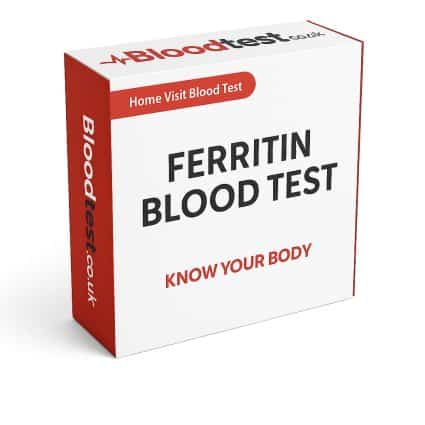

In Nottingham, common dietary sources of iron include red meat, leafy greens, and fortified cereals. Individuals adhering to vegetarian or vegan diets should be particularly mindful of their iron intake. GPs typically encourage patients to assess their eating habits and lifestyle factors that may contribute to low iron levels. By comprehending the connection between diet and iron levels, individuals can make informed choices that positively affect their health.
What Steps Should You Take to Schedule Your Initial Consultation?
To book a blood test for iron deficiency in Nottingham, begin by reaching out to your GP surgery for a referral. Most practices provide a straightforward booking system for consultations, whether conducted in person or via phone. Some community health centres offer walk-in options during the week, providing added convenience for those with busy schedules.
It is vital to confirm with your local surgery regarding specific procedures, as some may require online booking or the completion of a pre-appointment questionnaire. Once your appointment is confirmed, you will receive detailed information about what to expect during the blood test, helping to alleviate any concerns you may have.
Essential Preparation Tips for Your Iron Deficiency Appointment
To ensure the accuracy of your blood test for iron deficiency, adhere to these crucial preparation guidelines:
- Fast for at least 12 hours prior to the test, unless instructed otherwise by your GP.
- Stay well-hydrated by drinking ample water.
- Avoid strenuous exercise the day before your appointment.
- Notify your GP of any medications or supplements you are currently taking.
Proper preparation for your appointment can significantly enhance the quality of your test results. By following these recommendations, you will assist healthcare professionals in accurately assessing your <a href="https://bloodtest.co.uk/ferritin-blood-test-in-belper-your-guide-to-iron-levels/">iron levels</a> and providing appropriate recommendations.
Insights from Experts on Blood Tests for Iron Deficiency in Nottingham
Where Can You Locate Testing Facilities?
Finding convenient NHS phlebotomy sites throughout Nottingham is essential for those requiring blood tests for iron deficiency. Numerous local health centres and hospitals offer these services, often with minimal waiting times. You can consult the NHS website or contact your GP for a list of nearby facilities providing iron testing.
Some community pharmacies in Nottingham may also provide blood testing services. This option can be particularly advantageous for individuals who prefer to avoid lengthy waits at larger healthcare facilities. By effectively utilising local resources, you can streamline the process of obtaining tests and receiving results.
What Symptoms Should You Discuss with Your GP When Seeking Screening?
Patients should inform their doctors if they are experiencing fatigue or pale skin when requesting targeted iron deficiency screening at local surgeries. Other symptoms may include dizziness, shortness of breath, or brittle nails, all of which can indicate low iron levels. Being forthcoming about these signs enables your GP to accurately assess the necessity for a blood test.
It is crucial to recognise that while these symptoms may suggest iron deficiency, they can also be associated with various other health conditions. Sharing your complete health history and any additional concerns with your doctor will support a more accurate diagnosis and the development of a suitable treatment plan.
What Are the Key Blood Test Markers You Should Know?
Haemoglobin levels are a vital indicator for evaluating iron deficiency. For adults, normal haemoglobin levels generally range from 130-180 g/L for men and 115-165 g/L for women. Familiarising yourself with these ranges can aid Nottingham patients in accurately interpreting their test results.
If your haemoglobin levels fall below these thresholds, it may indicate iron deficiency anaemia. In such situations, additional testing may be necessary to determine the underlying cause and formulate a suitable treatment plan. Consulting your GP about the results will provide clarity and direction regarding the next steps.
How Can You Prepare Effectively for Your Iron Deficiency Appointment?
Residents of Nottingham can prepare efficiently for their upcoming iron deficiency blood tests by adhering to fasting guidelines and being mindful of any current medications. It is vital to provide your healthcare provider with a comprehensive list of medications and supplements, as these can influence test outcomes.
Consider compiling a list of any symptoms you have experienced, as this information can assist your GP in making a more accurate assessment. Being well-prepared can enhance the efficiency of your appointment and ensure you receive the most relevant care.
What Steps Should You Follow to Schedule a Test in Nottingham?
How to Take Advantage of Online Referral Systems
Digital booking portals used by Nottingham practices allow patients to request iron tests from the comfort of their homes. Many surgeries have embraced online systems, enabling patients to conveniently schedule appointments. This often results in same-week availability at approved locations, ensuring timely access to care.
When using an online portal, have your NHS number and relevant personal details ready. This preparation will simplify the booking process and help prevent delays in scheduling your blood test for iron deficiency.
What Walk-In Options Are Available at GP Surgeries?
Some medical centres in Nottingham permit same-day requests for blood tests during morning hours without requiring prior appointments. This service can be particularly beneficial for individuals who cannot plan ahead or are experiencing urgent symptoms.
To make the most of this service, it is advisable to arrive early, as walk-in slots may fill up quickly. Confirming with your local surgery about their specific walk-in policies will help you understand the best times to visit.
What Follow-Up Actions Should You Expect After Booking?
Upon scheduling your iron deficiency assessment, you will receive confirmation calls and reminders to ensure that Nottingham residents arrive prepared for their appointments. These communications can provide essential information about what to expect during the test and any additional preparations required.
Follow-up interactions may include guidance on interpreting your results and outlining the next steps in your care plan. Staying informed throughout the process can alleviate anxiety and empower you to take control of your health.
Evidence-Based Advantages of Blood Tests for Iron Deficiency in Nottingham
Why Is Early Detection Crucial?
Identifying iron deficiency at an early stage can lead to significant improvements in health. Real-world cases from Nottingham patients demonstrate that those who underwent prompt iron testing through local NHS pathways frequently reported increased energy levels and improved overall wellbeing. Early identification enables healthcare providers to implement effective treatment strategies.
Proactive intervention can help prevent more severe complications linked to prolonged iron deficiency, such as chronic fatigue or cardiovascular issues. This proactive approach benefits not only individual patients but also contributes to the overall health of the community.
How Do Reliable Local Diagnostics Enhance Care?
Research indicates that accurate results from Nottingham laboratories facilitate tailored supplementation to effectively address deficiencies. Local NHS facilities utilise advanced diagnostic techniques to ensure that test results are both precise and timely. This accuracy allows healthcare professionals to recommend appropriate iron supplements based on individual needs.
By relying on local diagnostics, patients can trust they are receiving optimal care tailored to their specific circumstances. This targeted strategy improves the effectiveness of treatment plans and supports better health outcomes.
How Does Improved Overall Wellbeing Affect Your Life?
Regular health check-ups promote better energy management for city residents facing demanding routines. For many, maintaining optimal iron levels can enhance focus, productivity, and overall quality of life. Routine blood tests can help detect fluctuations in iron levels, allowing for timely adjustments in diet or supplementation.
In a bustling urban environment like Nottingham, where lifestyles can be hectic, prioritising iron health is essential. By remaining vigilant and proactive, individuals can ensure they are equipped to meet daily challenges with vitality and resilience.
What Treatments Are Commonly Prescribed Post-Diagnosis?
What Iron Supplements Are Commonly Recommended?
Doctors in Nottingham frequently prescribe ferrous sulphate tablets following confirmed low levels from blood tests. These supplements are often recommended due to their effectiveness in elevating iron levels in the body. Patients typically receive guidance on the appropriate dosage and duration of treatment to achieve optimal results.
It is crucial to adhere closely to your doctor’s instructions while taking iron supplements, as improper use can lead to adverse effects. Regular follow-up appointments are essential to monitor your progress and make any necessary adjustments to your treatment plan.
How Should You Modify Your Diet to Improve Iron Levels?
Incorporating iron-rich foods into your diet is vital for recovering from a deficiency. Here are some suitable options for residents of Nottingham:
- Red meat, including beef and lamb
- Poultry, such as chicken and turkey
- Fish, especially sardines and tuna
- Leafy greens like spinach and kale
- Legumes, including lentils and chickpeas
- Fortified cereals and whole grains
- Nuts and seeds, particularly pumpkin seeds
- Dried fruits like apricots and raisins
By concentrating on these dietary changes, patients can support their recovery and maintain healthy iron levels in the long term. Consulting a nutritionist may also provide tailored guidance to meet individual needs.
How Can You Effectively Monitor Your Recovery Progress?
Follow-up blood tests at local clinics are crucial for tracking improvements and modifying treatment as necessary. Regular monitoring is vital to ensure that iron levels normalise and to evaluate the effectiveness of any prescribed supplements or dietary adjustments.
Patients should discuss their follow-up schedule with their GP, as this may vary based on individual circumstances. Staying engaged in your healthcare journey is essential for achieving optimal outcomes and maintaining overall health.
What Are Your Options for Ongoing Follow-Up Care?
How Are Personalised Monitoring Plans Created?
Patients receive customised review plans at Nottingham health centres to prevent the recurrence of iron deficiencies. These plans typically include regular check-ups and blood tests to monitor iron levels over time. By establishing a consistent follow-up routine, healthcare providers can identify any potential deficiencies early.
This proactive approach not only supports recovery but also empowers patients to take control of their health. Engaging in the monitoring process fosters a sense of responsibility and encourages healthy lifestyle choices that can mitigate future iron deficiency.
What Community Resources Are Available for Support?
Local groups assist efforts to maintain healthy iron levels through seasonal dietary changes. These resources can offer valuable insights into meal planning, cooking classes, and community events focused on nutrition and wellbeing. Engaging with these groups can create a supportive environment for individuals managing iron deficiency.
In Nottingham, community centres and health organisations frequently host workshops and seminars. Participating in these activities can enhance your knowledge and provide practical tips for sustaining healthy iron levels throughout the year.
When Should You Consider Additional Testing?
Persistent symptoms warrant further assessments at your Nottingham GP to rule out underlying causes. If you continue to experience fatigue, weakness, or other related symptoms despite treatment, it is crucial to seek further evaluation. This may include additional blood tests or referrals to specialists.
Being proactive about your health is essential, particularly if symptoms persist. Early intervention can lead to more effective treatment options and prevent complications associated with untreated iron deficiency.
How Can You Access Specialist Referral Pathways?
Patients grappling with ongoing challenges related to iron deficiency can access specialist referral pathways to consultants at Nottingham hospitals. These pathways ensure comprehensive evaluations and personalised long-term management strategies to support sustained recovery and effectively prevent future complications.
Consultants may conduct further investigations to identify any underlying health issues contributing to iron deficiency. By collaborating with specialists, patients can receive tailored care that addresses their unique health needs, ultimately leading to improved outcomes.
What Are Commonly Asked Questions About Iron Deficiency?
What does a blood test for iron deficiency entail?
A blood test for iron deficiency measures the levels of iron, ferritin, and haemoglobin in the blood to determine if you have adequate iron for healthy bodily functions.
How can I schedule a blood test in Nottingham?
You can arrange a blood test by contacting your GP surgery for a referral, utilising online booking systems, or visiting walk-in clinics in your area.
What symptoms should I be aware of for iron deficiency?
Common symptoms include fatigue, pale skin, dizziness, shortness of breath, and brittle nails. If you experience these, consult your GP for an assessment.
What is the usual turnaround time for blood test results?
In Nottingham, blood test results typically take a few days to a week, depending on the testing facility and the specific tests conducted.
What treatment options are available for iron deficiency?
Treatment may encompass prescribed iron supplements, dietary modifications, and regular monitoring to assess progress and effectiveness.
Can I obtain iron through my diet?
Yes, iron can be sourced from various foods, including red meat, poultry, fish, leafy greens, legumes, and fortified cereals.
What should I do if my symptoms persist?
If symptoms continue despite treatment, it is vital to consult your GP for further evaluation and potential referral to a specialist.
Are there side effects associated with iron supplements?
Common side effects of iron supplements include gastrointestinal discomfort, constipation, and nausea. Discuss with your doctor if you experience severe side effects.
How often should I have my iron levels monitored?
Your GP will recommend a follow-up schedule based on your individual circumstances; however, regular monitoring is generally advised for those with a history of iron deficiency.
Where can I find community support for iron deficiency?
Local health centres and community organisations in Nottingham often provide resources, workshops, and support groups focused on nutrition and managing iron deficiency.
Follow us for the latest updates on Facebook!
This article was originally published on https://bloodtest.co.uk
The Article Iron Deficiency Blood Test: Local Guidance in Nottingham found first on https://electroquench.com